In many Indian kitchens, the day begins with a familiar sound – oil gently warming in a kadhai, spices releasing their aroma, vegetables meeting heat with a soft sizzle. From a simple lau ghonto in West Bengal to chokha in Bihar or lightly tempered greens in Odisha, cooking oil plays a quiet yet essential role in everyday meals.
But before that oil reaches your pan, another process unfolds – one that most households never see.
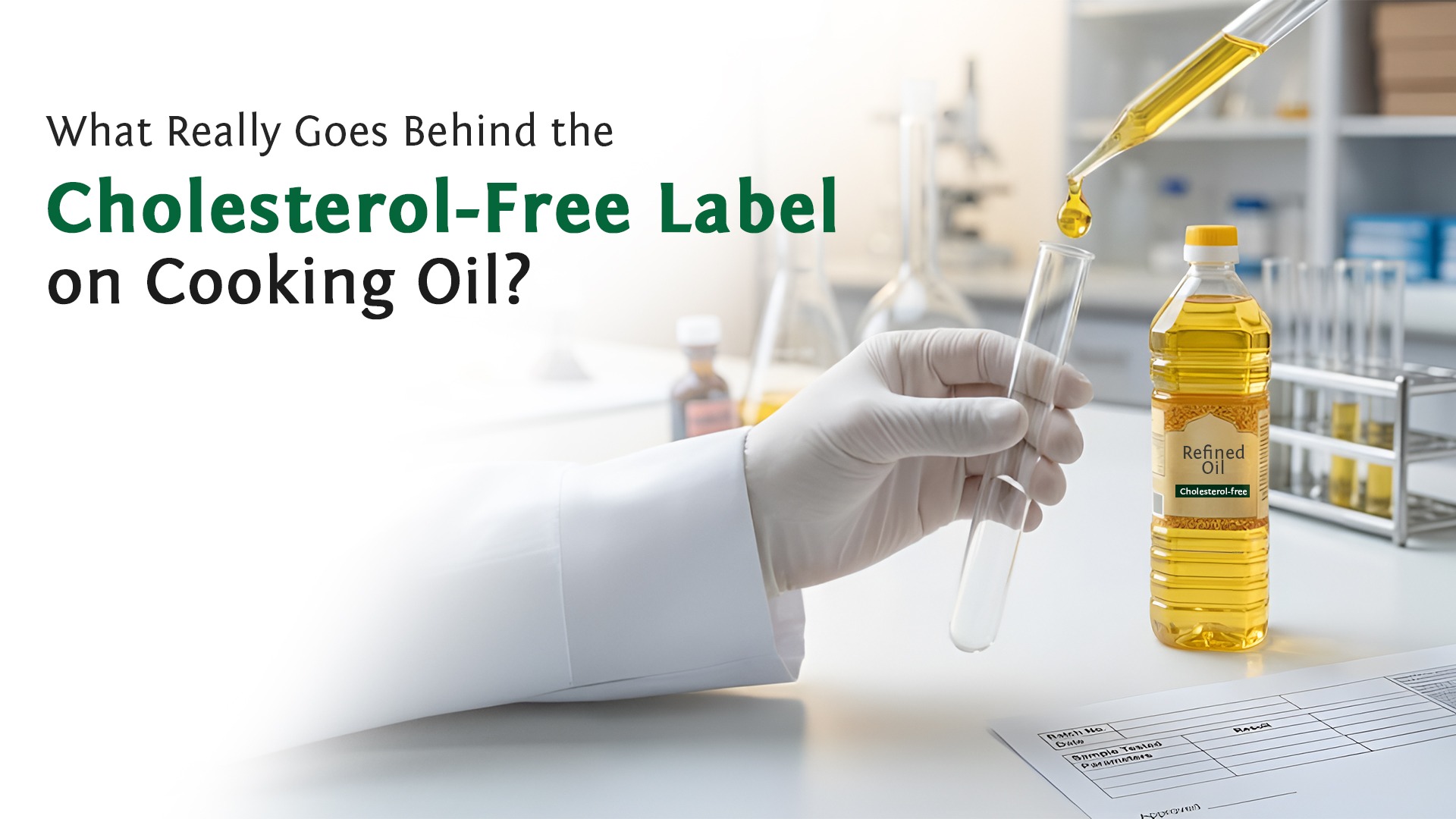
In Week 28 of 52 Weeks to a Healthier Kitchen, we explore what truly goes behind the “cholesterol-free” label on cooking oil – and how that claim is verified through defined standards and testing procedures.
Many edible oils today carry the label “cholesterol-free.” But what does that actually signify?
As per Food Safety and Standards Authority of India (FSSAI) regulations, a product may use the term “cholesterol-free” only if cholesterol is “Not Detected,” meaning it falls below the specified limit of less than 2 mg per 100g.
It is important to note that all plant-based oils are naturally cholesterol-free. However, if the claim appears on the label, it must comply with regulatory definitions and documentation requirements.
In other words, the statement should align with established standards – not assumptions.
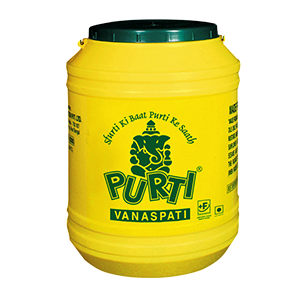
At Purti Vanaspati, this alignment is maintained through structured batch testing procedures.
Oil production takes place in controlled production batches – defined quantities processed under monitored conditions.
For each batch produced, representative samples are drawn and sent to certified laboratories for analysis. These tests help verify that the oil meets declared specifications before it proceeds to packaging and distribution.
Batch testing is part of standard quality-control practice in the edible oil industry. It supports accuracy in labelling and helps maintain consistency across production cycles.
For premium edible oil brands operating within India’s regulatory framework, such systems reinforce transparency and accountability.
Each production batch undergoes analysis across multiple parameters, including:
1. Cholesterol (Not Detected)
Confirms alignment with the regulatory definition required to use the “cholesterol-free” claim.
2. Trans Fat Levels
Ensures values remain within prescribed limits set by regulatory authorities.
3. Saturated and Unsaturated Fat Composition
Measures fat profile parameters as part of standard laboratory analysis.
4. Moisture and Impurities
Checks clarity and ensures the oil meets defined quality specifications.
5. Oxidation Values
Assesses stability and freshness within accepted regulatory parameters.
Only after analytical results fall within specified standards does the batch proceed further in the distribution process.
This structured system helps maintain consistency across bottles reaching households in Kolkata, Patna, Guwahati, and beyond.
In Indian regional food dishes, oil is often the base of preparation. It carries spices, influences texture, and supports cooking techniques across diverse cuisines.
From shorshe preparations in West Bengal to seasonal vegetable bhajis and rice-based meals across Eastern India, cooking oils play an everyday role.
When batch testing is conducted systematically:
Today’s informed households increasingly read labels carefully. They look beyond packaging design and examine ingredient declarations, license numbers, and regulatory compliance.
Batch testing is one part of that larger framework of transparency.
India’s food culture is deeply diverse. Ghee enhances festive sweets. Butter enriches traditional breads. Coconut oil defines many regional cuisines. Mustard oil holds cultural significance across Eastern India.
Regulatory standards exist for these traditional fats as well.
The purpose of refined cooking oils is not to replace culinary heritage, but to provide an everyday cooking medium suitable for routine preparations. Each oil has its place, depending on cooking style and regional preference.
Understanding this diversity helps households make informed choices aligned with their kitchen practices.
Food varieties of India are wide, and cooking methods vary just as widely. Regulated options simply add clarity within that diversity.
In Eastern Indian kitchens, where meals are often prepared fresh twice daily, and rice remains central, consistency in staple ingredients becomes important.
A dependable cooking oil supports:
Purti Vanaspati, based in West Bengal, operates within defined regulatory frameworks to help maintain this consistency through structured testing and documentation processes.
Not visible in advertisements. Not dramatic. But part of responsible manufacturing.
If a claim appears on the label, it should align with defined regulatory standards and documented testing.
Video Link: https://youtu.be/Sjma3hJ-MiE
We explore the difference between cold-pressed and refined oils – how they are processed, how they behave in cooking, and how to choose based on your kitchen needs.
Because informed kitchens cook with confidence.
Disclaimer:
This blog is intended for general awareness purposes only and does not constitute medical or dietary advice. All references align with applicable Food Safety and Standards (Advertising and Claims) Regulations, 2018. Cooking oil should be used in balanced quantities as part of a varied diet and lifestyle.


Our commitment to quality is supported by the state-of-art infrastructure, its relationship with the buyers and modern production facilities.
Our Company pursues a single goal - completely focussed on th quality of the product.
© copyright, Purti Vanaspati Pvt. Ltd. All Rights Reserved.