In our journey to understand oil and heart health, this week we explore a common question:
“Are plant-based fats better than animal fats?”
From ghee and butter to mustard oil and soybean oil – Indian households use both. But few know how these fats affect our heart and health differently.
Let’s find out.
What Are Animal Fats?
Animal fats come from sources like:
– Lard (pig fat)
– Tallow (beef/mutton fat)
– Ghee (clarified butter)
– Butter
– Full-fat dairy
They are higher in saturated fat and cholesterol, which in excess may raise LDL (bad cholesterol) levels in the body.
Ghee and butter, though rich in saturated fat, have been used in traditional Indian cooking for centuries. In small amounts, they may help with the digestion and absorption of fat-soluble vitamins. However, regular and high consumption – especially without a balanced lifestyle – may increase heart health risks.
On the other hand, animal fats like lard and tallow, which are not common in Indian kitchens, are best avoided or used very sparingly.
What Are Plant-Based Fats?
Plant-based fats come from oils extracted from seeds, nuts, and fruits:
– Mustard oil
– Soybean oil
– Sunflower oil
– Groundnut oil
– Olive oil
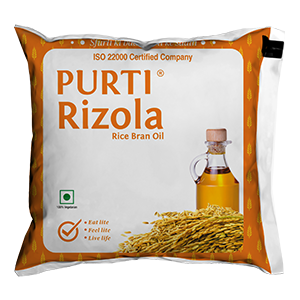
– Rice bran oil
These are naturally cholesterol-free and contain unsaturated fats like MUFA (Monounsaturated fats) and PUFA (Polyunsaturated fats), which support heart health when consumed in the right amounts.
Some of these oils also contain Omega-3 and Vitamin E, both beneficial for the body.
So, Which Is Better for Your Heart?
While both types of fats can have a place in cooking, science clearly shows:
Plant-based oils, especially when blended smartly and consumed in moderation, are better for long-term heart health.
Animal fats like ghee and butter can be used occasionally and in small amounts, especially for flavour and tradition.
Other animal fats (like lard, tallow) are high in saturated fat and offer little benefit in modern diets.
Practical Tips:
– Choose cold-pressed or refined plant oils with low saturated fat.
– Rotate oils: mix mustard oil, soybean oil, and rice bran oil.
– Avoid reusing oil and deep-frying daily.
– Use ghee or butter sparingly – enjoy the taste, but measure it.
This Week’s Smart Cooking Tip:
“Balance the fats on your plate – mix traditional flavour with modern science.”
Coming Up Next Week:
We’ll talk about what “Cholesterol-Free Oil’ Actually Mean?
Stay tuned. Eat smart. Live light.
Video Link: https://bit.ly/47a1LEa
Disclaimer: This article is for informational purposes only and is not a substitute for professional medical advice. Always consult a healthcare professional or a registered dietitian before making significant changes to your diet or health regimen. The products mentioned are part of a balanced diet and a healthy lifestyle.

Our commitment to quality is supported by the state-of-art infrastructure, its relationship with the buyers and modern production facilities.
Our Company pursues a single goal - completely focussed on th quality of the product.
© copyright, Purti Vanaspati Pvt. Ltd. All Rights Reserved.