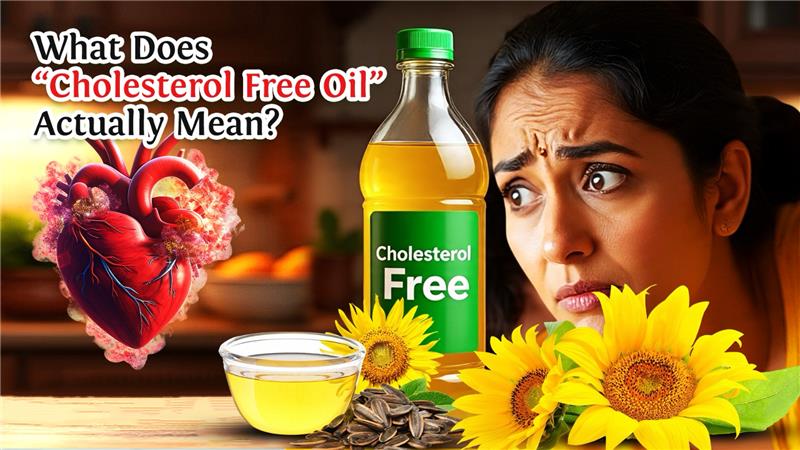
We see the label “cholesterol-free” on many cooking oils in the market. But have you ever wondered what it really means?
In this week’s blog, we break it down in a simple, no-jargon way so that everyone can understand why some oils carry this label – and why it matters.
First things first – What is Cholesterol?
Cholesterol is a type of fat-like substance found in your blood. Your body needs it to build cells and make hormones, but too much of the wrong kind (LDL) can block arteries and raise your heart risk.
But here’s the key point:
Cholesterol is only found in animal-based foods like ghee, butter, cheese, meat, and eggs.
Plant-based oils do not naturally contain cholesterol.
Then Why Do Some Oils Say “Cholesterol-Free” on the Label?
That’s a great question – and the answer lies in the FSSAI labelling rules.
According to FSSAI and Codex guidelines:
An oil can claim “cholesterol-free” only if:
It contains less than 2 mg cholesterol per 100 g or 100 ml, AND
It is low in saturated fat (not more than 1.5 g per 100 ml for liquids or 1.5 g per 100 g for solids).
So even though most oils are naturally cholesterol-free, only those that meet both conditions (cholesterol and saturated fat limits) can officially carry the label.
Why Does It Matter?
Saturated fat influences how cholesterol behaves in your body. An oil might not have cholesterol, but if it’s very high in saturated fat, it can still impact your heart health.
That’s why oils like:
– Soybean oil
– Sunflower oil
– Mustard oil
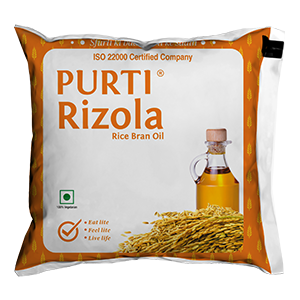
– Rice bran oil
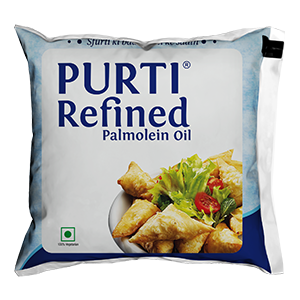
– Palmolein (only when consumed in moderation, as it has higher saturated fat)
They are often recommended for their balance of healthy fats.
Quick Recap:
– Cholesterol comes from animals, not plants.
– All plant oils are naturally cholesterol-free.
– But only some oils meet FSSAI’s saturated fat criteria to claim the label.
Smart Tip of the Week:
Read labels carefully and look at the entire fat profile, not just the “cholesterol-free” tag. Remember – “cholesterol-free” is not the same as “heart-healthy.”
Coming Up Next Week:
We’ll explore how to Check If Your Cooking Oil Is Truly Cholesterol-Free.
Until then, keep it light, keep it wise.
Disclaimer: “All nutritional claims are as per FSSAI labelling regulations. Always consume oils as part of a balanced diet.”
Our commitment to quality is supported by the state-of-art infrastructure, its relationship with the buyers and modern production facilities.
Our Company pursues a single goal - completely focussed on th quality of the product.
© copyright, Purti Vanaspati Pvt. Ltd. All Rights Reserved.