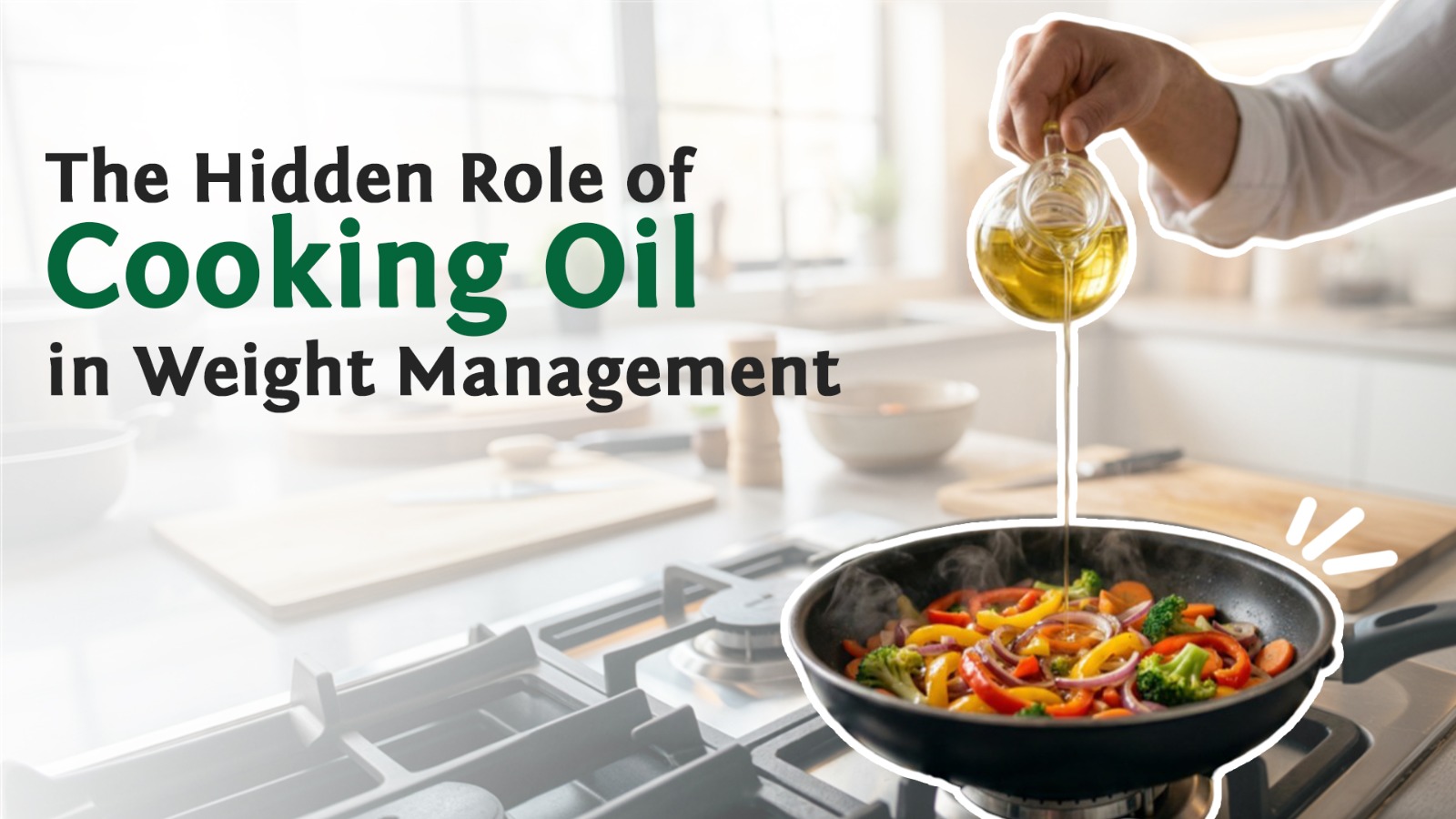
When people begin to think about managing their weights, the first foods they tend to reduce their intake of are sweets, fried foods, or junk foods. It is rather unlikely that oil gets highlighted in the same manner. This is simply because oil is an integral element of our daily food, which is deeply ingrained in our cuisine. Nonetheless, the reality is that oil influences the process of managing weights much more than what we tend to believe.
This, of course, doesn’t mean that oil is unhealthy and should be banned from our diets altogether. The truth is that fats are a necessity in our body. But it all depends on how we utilize this element and what we use as oil. This is when cholesterol-free light oils come into their own.
Oil represents one of the highest calorie-rich foods within any kitchen. The fact is that a tablespoon of oil holds approximately 120 calories. Although this is not much, the calorie content makes a huge contribution if oil is liberally used on a daily basis.
Unlike sugar or snacks, the caloric content from oil is easy to overlook because such caloric intake does not fill our body. In fact, with the help of oil, you can easily consume the same amount of food while increasing the caloric content by simply pouring more oil while cooking.
All the more reason why intelligent oil selection is critical—not for rapid weight reduction, but for long-term health benefits.
Cholesterol-free oils help maintain heart health while seamlessly integrating into one’s daily cooking. When appropriately used, they also help in weight management in very practical ways.
Cholesterol-free oils help reduce the overall dietary cholesterol load, which is especially helpful for people watching both heart health and weight. A healthy metabolism works more efficiently when it isn’t burdened by excess saturated fats.
Lighter oils spread better and coat food more evenly. This means you often need less to achieve the same taste and texture, which then reduces calorie intake naturally without conscious restriction.
Balanced fats for constant energy Oils that are a blend of MUFA and PUFA provide balanced energy. These fats digest more efficiently and help avoid sudden energy crashes that trigger unnecessary snacking.
Highly flavored oils may tempt one to use larger quantities due to their flavor. A neutral-flavored oil facilitates the enhancement of spices, vegetables, and grains without making low-oil dishes dull.
An oil with a high smoke point is considered to be very effective even at high temperatures. This means that the oil is stable even at lower quantities and does not require constant replenishment.
Does This Mean Traditional Fats Are Bad?
No….Not at all.
Ghee, butter, coconut oil, among other conventional oils, may come along with their benefits. The problem is not their presence; the problem comes with excess of everything.
A healthy routine would involve:
It is important to remember that losing or gaining weight isn’t an exercise of subtraction, as in completely cutting things
How can oil be cut back without reducing flavors?
Cutting oil does not necessarily mean resorting to flavorless food. Here are some minute changes that make a huge difference:
These easy modifications and tweaks will definitely help reduce the unnecessary calories in these foods while allowing us to enjoy the foods.
One of the biggest errors in relation to weight management is going for extreme measures such as eliminating entire food types and being oil-free altogether. This is mostly because of the negative results experienced.
A cholesterol-free, light cooking oil is a part of a realistic and long-term lifestyle change. You can cook the foods you like, enjoy the taste, and still work towards reaching healthier weight objectives.
Rather than asking: “How do I stop using oil?” It is better to ask: “How can I use oil more wisely?”
This paradigm shift in the way of thinking helps make all the difference.
Tip of the Week
Weight control is not about eliminating oil from the kitchen, but choosing the right one and using it judiciously.
Video Link: https://youtu.be/_u2FOksthD0
Coming Up Next Week
Week 24: Is Your Cooking Method Making Your Food Unhealthy?
We will explain how common cooking methods destroy nutrition-and how simple changes can safeguard both taste and health.
This blog is for general awareness purposes only and does not provide medical advice or claim prevention, treatment, or cure of any disease.
For health or diet-related decisions, consult a qualified doctor or nutritionist.
All nutritional references and statements are made in accordance with the Food Safety and Standards (Advertising and Claims) Regulations, 2018.
Cooking oils should always be used in moderation as part of a balanced diet and healthy lifestyle.
All plant-based edible oils are naturally cholesterol-free.
Our commitment to quality is supported by the state-of-art infrastructure, its relationship with the buyers and modern production facilities.
Our Company pursues a single goal - completely focussed on th quality of the product.
© copyright, Purti Vanaspati Pvt. Ltd. All Rights Reserved.