In most Indian kitchens, mornings begin with familiar sounds – the whistle of a pressure cooker, mustard seeds crackling in hot oil, vegetables hitting the pan with a gentle sizzle. Food is not just prepared here; it is trusted. And yet, behind every trusted meal lies a chain of decisions that begin long before the oil reaches your kadhai.
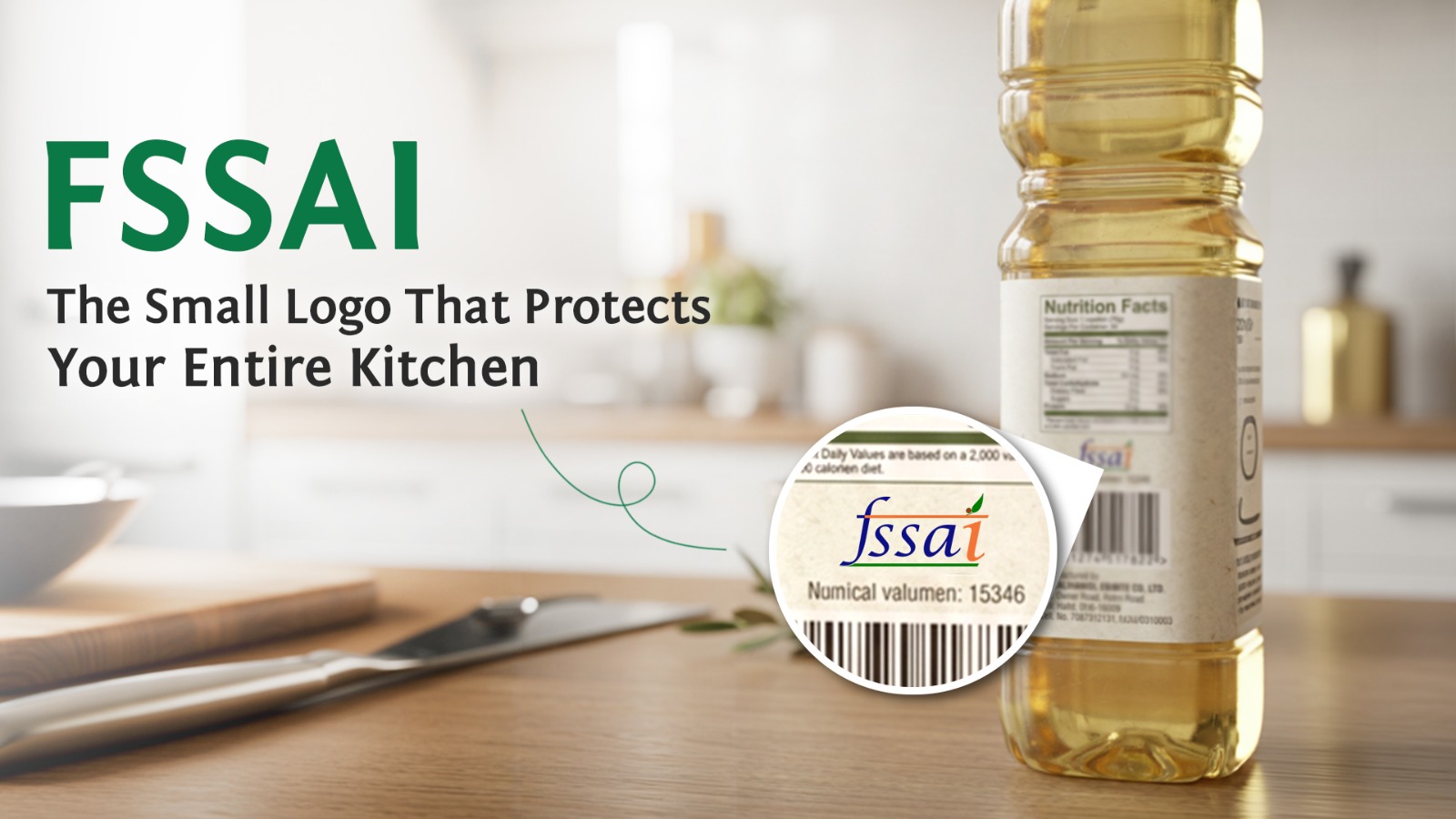
When you pick up a bottle of cooking oil and notice a small FSSAI logo printed near the back label, it may seem like a minor detail. But that small mark represents a system of rules, inspections, documentation, and accountability designed to protect what reaches your plate.
In Week 27 of 52 Weeks to a Healthier Kitchen, we look beyond the logo – and understand why FSSAI compliance is more than a printed symbol.
FSSAI stands for the Food Safety and Standards Authority of India. It is the national body responsible for setting food safety standards, regulating manufacturing practices, and ensuring that food products sold in India meet defined quality requirements.
For edible oil brands, compliance with FSSAI regulations is not optional. It includes licensing, facility standards, labelling norms, ingredient transparency, and limits on specific parameters such as trans fat content.
In simple terms, FSSAI creates a structured framework so that food businesses operate within clear, monitored boundaries. This framework helps bring consistency and accountability to products that are used daily in Indian homes.
When you see the FSSAI logo and license number on a cooking oil bottle, it signals that the product was manufactured in a licensed facility and complies with prescribed regulatory standards.
It also indicates that:
This does not mean the logo guarantees perfection. It means the product operates within a regulated system. And that system exists to protect consumers.
In today’s world of fast information and bold packaging, such structured oversight quietly supports informed decision-making.
For a responsible edible oil manufacturer, compliance is not a one-time checklist. It is an ongoing practice.
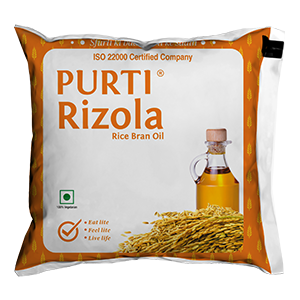
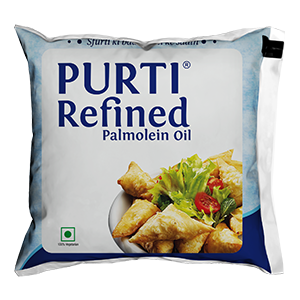
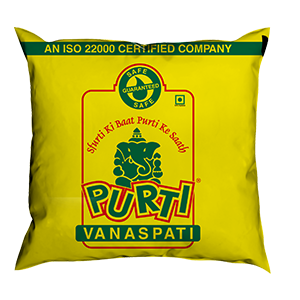
At Purti Vanaspati, regulatory alignment begins at the plant level – through licensed operations, documented processes, and periodic inspections. Packaging follows mandated labelling formats, font sizes, and disclosure norms so that information remains readable and transparent.
Every nutritional value mentioned on the pack is supported by lab analysis. Ingredient details are clearly declared. Claims, when used, align strictly with regulatory definitions.
This approach does not aim to dramatise quality. It aims to standardise it.
Compliance, when practised consistently, builds operational discipline. And operational discipline builds long-term trust.
Indian kitchens are deeply diverse. From mustard oil used in Bengali households to coconut oil in the South and ghee across festive preparations, food traditions vary beautifully across regions.
FSSAI regulations recognise this diversity while maintaining safety benchmarks across product categories. Traditional fats such as ghee, butter, and coconut oil have defined standards under the same regulatory framework.
Compliance does not compete with tradition. It ensures that whatever you choose – whether a refined cooking oil for daily sabzi or ghee for a festive sweet – it falls within recognised safety norms.
In Eastern India, where rice-based meals and lightly tempered vegetables are everyday staples, cooking oils are expected to be neutral, stable, and dependable. Regulatory oversight supports this expectation by ensuring that what is written on the label matches what is inside the bottle.
An informed kitchen is not built on fear or marketing claims. It is built on awareness.
Reading a food label carefully – checking the FSSAI license number, understanding ingredient lists, and noting manufacturing and expiry dates – turns an ordinary purchase into a conscious choice.
For many households today, this awareness is becoming part of routine grocery shopping. Just as we compare prices or quantities, we also begin to compare transparency.
Premium edible oil brands in India are increasingly expected to operate with clarity. Compliance, documentation, and verifiable lab testing are no longer back-end processes – they are part of consumer trust.
West Bengal and Eastern India have always celebrated food as culture. From simple dal-bhaat to elaborate festive spreads, meals are prepared with patience and pride.
Brands that serve these kitchens must understand that food here is not transactional – it is emotional.
For Purti Vanaspati, operating within FSSAI norms is not just about meeting regulations. It is about respecting the households that place daily trust in essential cooking ingredients.
That respect shows up in systems, documentation, plant hygiene, and adherence to defined standards.
Because in the end, compliance is not a marketing message. It is a responsibility quietly fulfilled.
“When choosing cooking oil, don’t just notice the logo – understand what it stands for.”
Video Link: https://youtu.be/4DDZxnqrg7o
In Week 28 of 52 Weeks to a Healthier Kitchen, we explore how cooking oil choices can align with different household routines and meal patterns – helping families balance tradition with everyday practicality.
Disclaimer: This blog is intended for general awareness only and does not offer medical or dietary advice. Cooking oil should always be used in balanced quantities as part of a varied diet and healthy lifestyle. All information shared complies with applicable Food Safety and Standards regulations.


Our commitment to quality is supported by the state-of-art infrastructure, its relationship with the buyers and modern production facilities.
Our Company pursues a single goal - completely focussed on th quality of the product.
© copyright, Purti Vanaspati Pvt. Ltd. All Rights Reserved.