The Changing Rhythm of Indian Kitchens
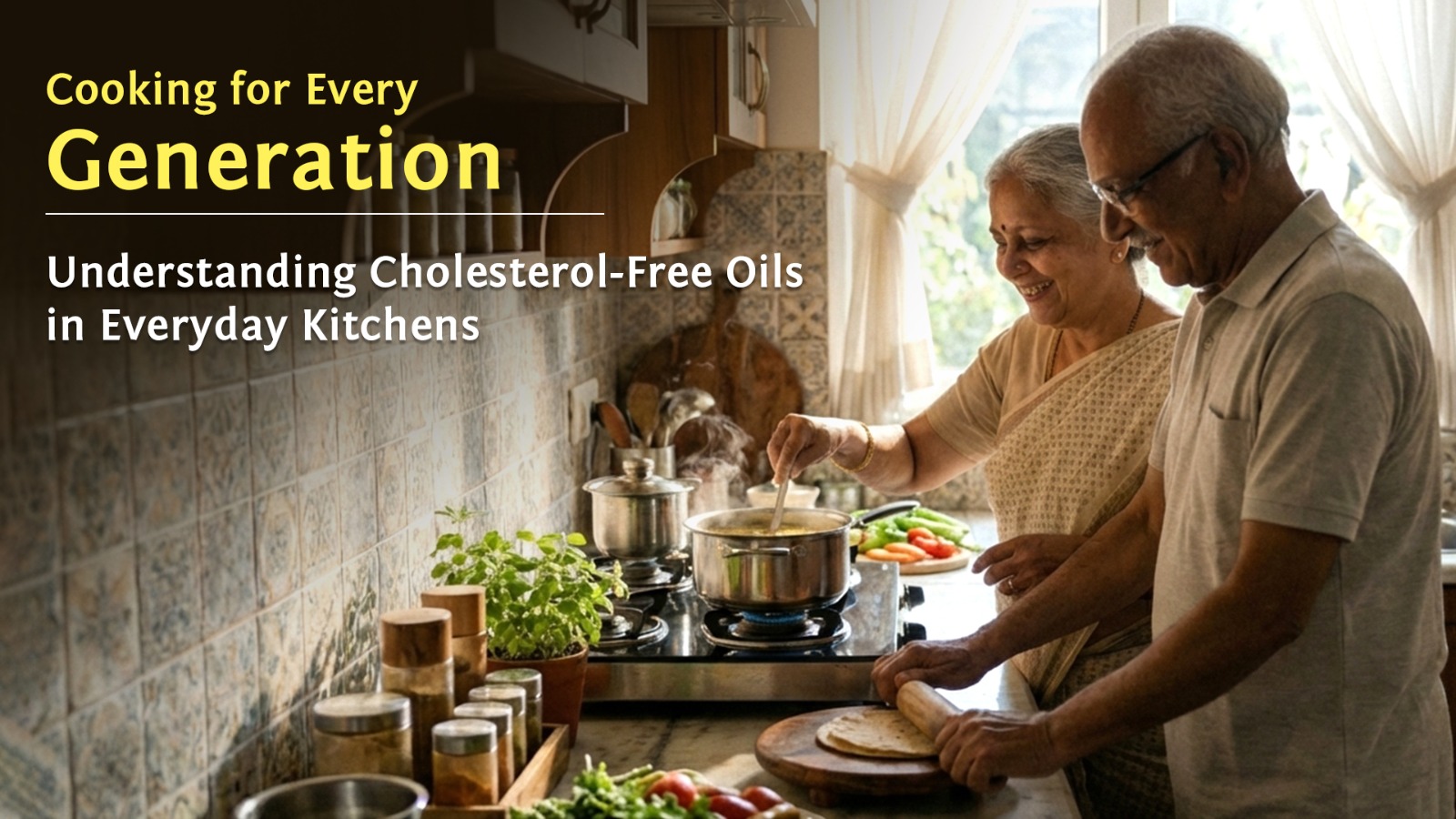
Every Indian kitchen has its own rhythm. In many homes, mornings begin with the gentle sound of tempering spices, the aroma of dal simmering on the stove, or the familiar warmth of parathas on a tawa. Food is not just nourishment – it is memory, culture, and care passed from one generation to the next.
As families grow and lifestyles evolve, the way we choose ingredients also begins to change. The cooking oil we use every day is one such ingredient that quietly influences how meals are prepared across generations.
Today, many households are paying closer attention to labels, ingredients, and the source of their cooking oil. Among the terms that often appear on cooking oil bottles is the phrase “cholesterol-free.” But what does this really mean, and how does it relate to everyday cooking?
Understanding What “Cholesterol-Free” Means
In simple terms, cholesterol is a substance found mainly in animal-based foods such as meat, butter, and dairy products. Plant-based oils, on the other hand, are naturally free from cholesterol.
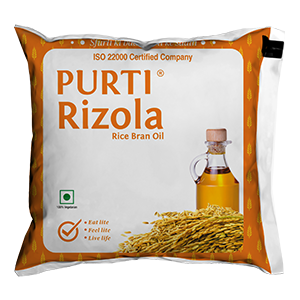
This is why many commonly used vegetable oils – including sunflower oil, soybean oil, and rice bran oil – carry the label “cholesterol-free.”
According to guidelines followed by food manufacturers under the standards of the Food Safety and Standards Authority of India, a food product may be labelled “cholesterol-free” if the cholesterol content is less than 2 mg per 100 g.
For consumers, this label serves as a simple indicator that the oil belongs to the category of plant-based cooking oils.
Everyday Cooking in Indian Homes
Indian cooking is wonderfully diverse. From the mustard-flavoured dishes of Eastern India to the mild gravies of the South and the rich curries of the North, cooking oil plays a role in almost every preparation.
Different households often choose oils based on:
For daily cooking, many families prefer oils that are neutral in flavour, allowing the natural taste of vegetables, spices, and grains to remain the highlight of the meal.
Whether it is a simple bowl of khichdi, a vegetable stir-fry, or a Sunday family lunch, the choice of oil quietly supports the cooking process without overpowering the dish.
Respecting Tradition in the Indian Kitchen
Traditional fats such as ghee, butter, and coconut oil hold a special place in Indian cuisine. They are closely connected to cultural practices, festive dishes, and family recipes that have been passed down for generations.
From a spoonful of ghee over steaming rice to sweets prepared during festivals, these ingredients continue to be cherished for their flavour and cultural significance.
At the same time, modern kitchens often maintain a balance by using different types of oils for different cooking needs. Everyday meals may be prepared with plant-based cooking oils, while traditional fats continue to be enjoyed for specific recipes and occasions.
This approach reflects a broader philosophy in Indian food culture – balance rather than replacement.
The Importance of Transparency in Cooking Oils
Today’s consumers are more aware than ever before. When choosing a cooking oil, many people look beyond the packaging design and start paying attention to the information printed on the label.
Some key things consumers often check include:
Clear labelling and transparent communication help households understand what they are bringing into their kitchens.
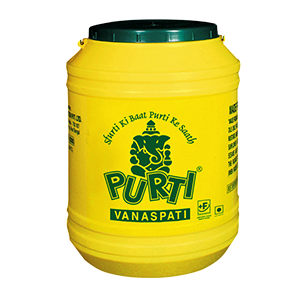
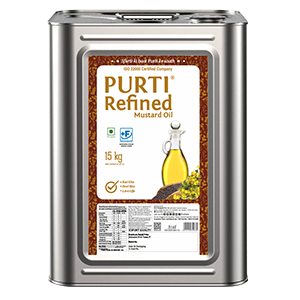
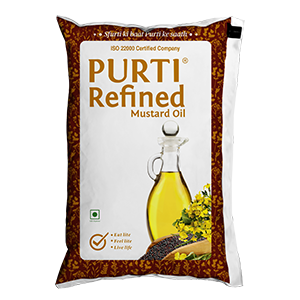
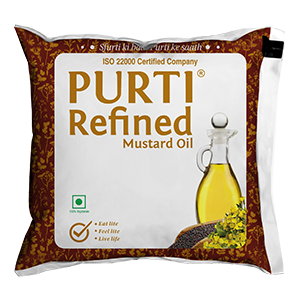
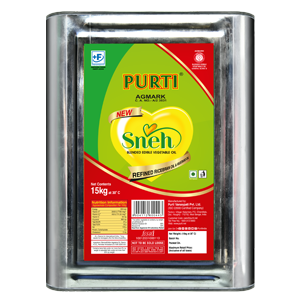
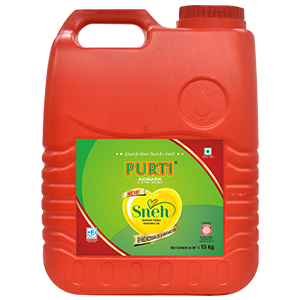
For brands like Purti Vanaspati Pvt. Ltd., this focus on transparency has become an important part of building long-term trust with consumers.
Cooking Habits That Bring Families Together
Across India, cooking is rarely just an individual activity. It is something families share and learn together.
Grandparents pass on traditional recipes.
Parents adapt them for modern kitchens.
Children grow up watching how meals are prepared with care.
In this evolving culinary journey, simple awareness – such as understanding cooking ingredients and reading labels carefully – helps families make informed decisions about the foods they prepare every day.
Cooking oil, though often used quietly in the background, plays a role in nearly every meal prepared in an Indian household.
A Small Tip for Everyday Cooking
When buying cooking oil, take a moment to read the label carefully.
Look for information such as:
Understanding these small details can make it easier to know exactly what goes into the meals prepared for your family.
Video Link: https://youtu.be/Vcm7cY4lahw
Looking Ahead
Food choices are deeply personal and often shaped by culture, tradition, and everyday routines. Whether it is a quick weekday meal or a festive gathering, cooking oil remains one of the most frequently used ingredients in Indian kitchens.
By staying informed about what different labels mean and how oils are produced, families can approach cooking with greater awareness and confidence.
In the end, the goal is simple – to keep the joy of cooking alive while understanding the ingredients that make each dish possible.
Coming Up Next Week
In the next article of the “52 Weeks to a Healthier Kitchen – Know Your Oil” series, we will explore another common kitchen question:
Should you keep using the same cooking oil every day, or is it better to change oils occasionally?
Stay tuned as we continue to explore everyday cooking through the lens of awareness, tradition, and informed choices.
Disclaimer
This blog is intended for general awareness purposes only and does not constitute medical or dietary advice. Any nutrient references are based on naturally occurring components within plant oils and align with applicable Food Safety and Standards regulations. Cooking oil should be consumed in balanced quantities as part of a varied diet and lifestyle.
Our commitment to quality is supported by the state-of-art infrastructure, its relationship with the buyers and modern production facilities.
Our Company pursues a single goal - completely focussed on th quality of the product.
© copyright, Purti Vanaspati Pvt. Ltd. All Rights Reserved.