Every Indian kitchen has its own soundscape. The gentle hum of the stove, the crackle of spices, the rhythm of a ladle moving through a pan. But before any of that happens, there is always a small, almost unnoticed step – oil warming in the pan.
For cooks who use mustard oil regularly, this moment matters more than most people realise. The way mustard oil is heated can influence the kitchen’s aroma, the flavour of the spices, and the dish’s overall character.
Across Eastern India, mustard oil has long been the foundation of everyday cooking. And experienced home cooks will often say the same thing: the heat of the oil determines how the food turns out. Understanding this simple detail can make cooking with mustard oil feel more natural and rewarding.
Mustard oil is known for its bold aroma and strong personality. Unlike many neutral cooking oils, it brings its own flavour to the dish.
When heated gently, mustard oil releases a mild, nutty aroma. At higher heat, the familiar pungent fragrance becomes more pronounced. And when spices meet hot oil, they begin to release their essential oils and flavours into the dish.
This interaction between heat, oil, and spices is what shapes the final taste of many Indian recipes.
In many Bengali and Eastern Indian kitchens, cooks begin by heating mustard oil until it just reaches a light smoking stage. You may have seen this step at home – the oil shimmering in the pan before the flame is lowered.
This simple practice has been followed for generations. Once the oil reaches that point, cooks reduce the heat and begin adding ingredients. The result is a smoother aroma and a cooking base ready for spices. For many dishes, this step signals that the cooking has truly begun.
One reason mustard oil is so versatile is that it behaves differently depending on how it is heated.
Low heat is often used when preparing mustard-based gravies or delicate dishes.
At this stage, spices cook slowly, and flavours blend gradually. The oil carries the aroma of mustard paste, turmeric, and green chillies without overpowering them.
This style of cooking is common in many traditional recipes from Bengal and neighbouring regions.
Most daily cooking happens somewhere in the middle – not too slow, not too intense.
Vegetables sautéed at medium heat cook evenly while maintaining their natural texture. Lentils and simple curries also benefit from this steady temperature.
In many homes, this is how mustard oil is used throughout the day, whether it’s preparing a quick lunch or an evening sabzi.
When mustard oil is heated more strongly, it becomes ideal for frying and tempering.
This is the moment when spices begin to crackle in the pan. Cumin seeds dance briefly, dried red chillies darken slightly, and the aroma spreads quickly through the kitchen.
This technique adds depth to dishes like dal, vegetable bhaja, and various snacks.
The key is balance – enough heat to release fragrance, but not so much that the spices burn.
Good cooking results often start with consistent ingredients. When mustard oil heats evenly and releases a familiar aroma, it becomes easier to cook confidently.
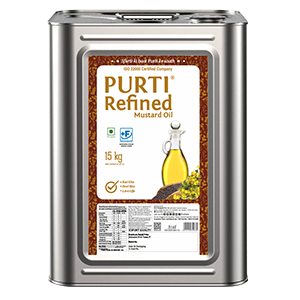
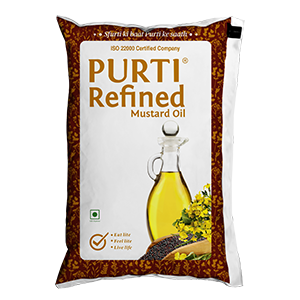
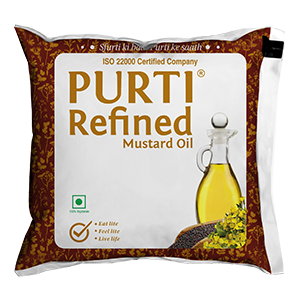
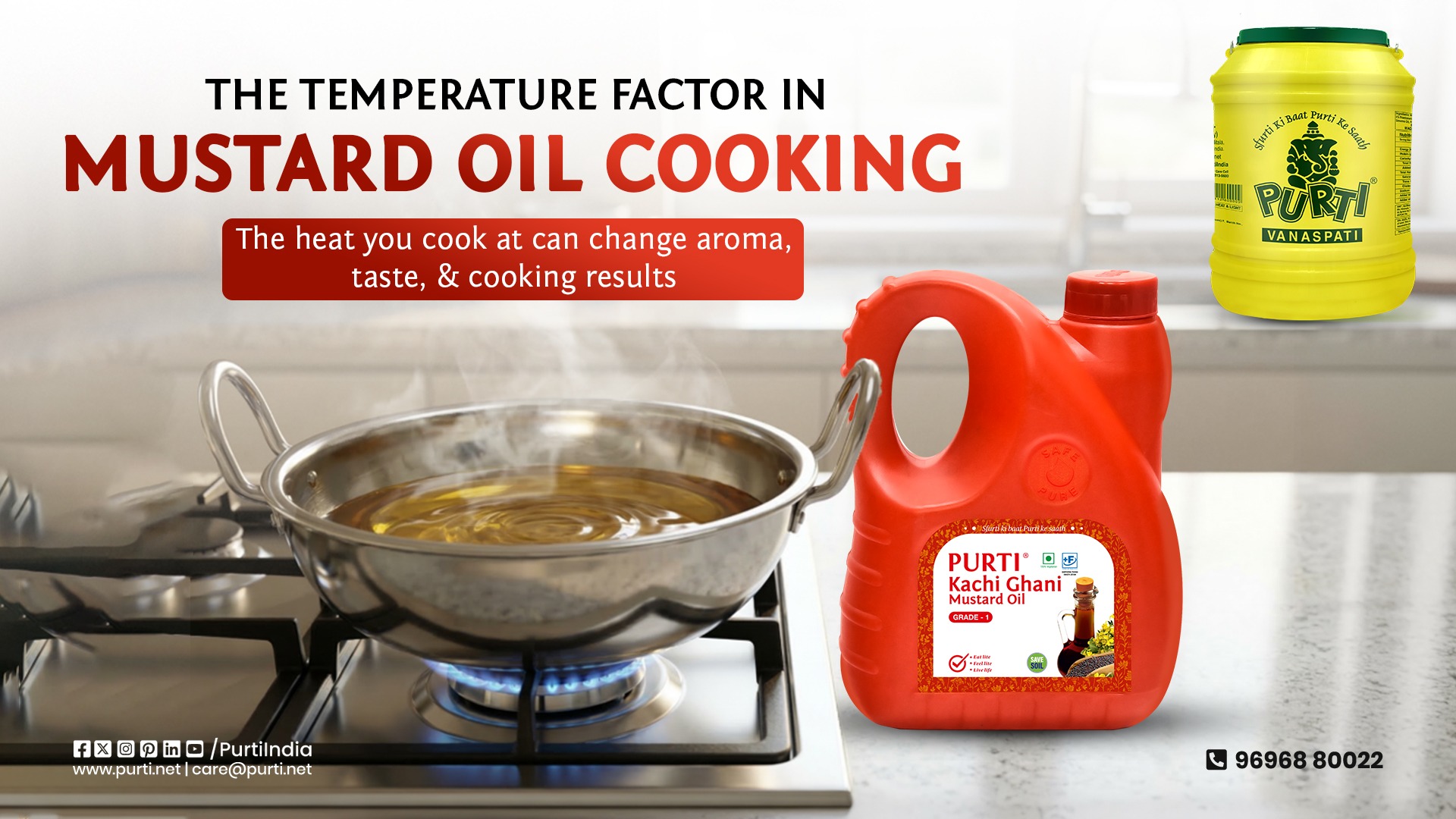
Purti Kachi Ghani Mustard Oil, produced using the traditional cold-press method and packed under regulated food safety standards, reflects the style of mustard oil commonly used in Eastern Indian kitchens. Its rich golden colour and distinctive aroma make it suitable for everyday cooking as well as regional recipes.
For many households, it has become a reliable part of their daily cooking routine.
Cooking with mustard oil does not require complicated techniques. A few simple habits can help maintain flavour and balance.
Allow it to warm naturally rather than exposing it to sudden high heat.
This helps maintain control while cooking.
They should sizzle gently, not burn immediately.
Like any cooking oil, prolonged high heat can affect flavour.
These small steps are often learned simply by watching experienced cooks in the kitchen.
Many traditional cooks don’t measure heat with thermometers. They rely on cues.
These sensory signals guide the cooking process.
When mustard oil is heated properly, it supports the flavours of the ingredients instead of overpowering them. That balance is what makes so many regional dishes memorable.
In the end, temperature may seem like a small detail, but it quietly influences everything that follows.
For generations, mustard oil has been part of daily cooking across Eastern India. And when it is heated with care, it continues to bring the familiar taste and aroma that people recognise instantly.
Sometimes the difference between an ordinary meal and a satisfying one begins with a simple moment – when the oil meets the pan, and the temperature is just right.

Our commitment to quality is supported by the state-of-art infrastructure, its relationship with the buyers and modern production facilities.
Our Company pursues a single goal - completely focussed on th quality of the product.
© copyright, Purti Vanaspati Pvt. Ltd. All Rights Reserved.