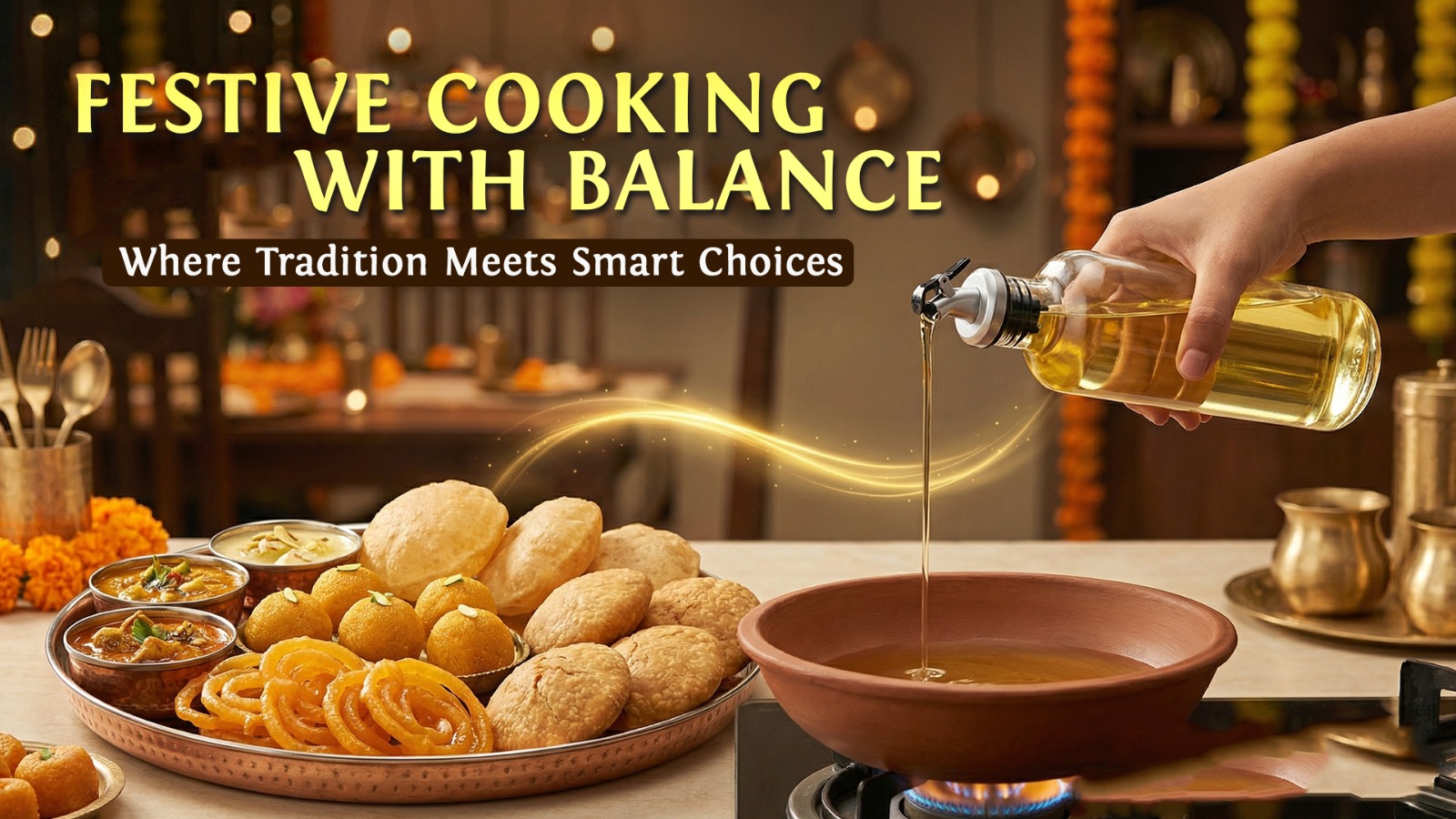
In Indian homes, festivals are more than celebrations – they are memories in the making. The kitchen fills with familiar aromas, from freshly fried sweets to slow-cooked savouries, each dish carrying a story of tradition.
From homes in Kolkata to kitchens across the country, festive food is a reflection of culture, family, and togetherness.
At the same time, today’s households are becoming more aware of their everyday cooking habits. This includes understanding ingredients, preparation methods, and the role of cooking oil in daily and festive meals.
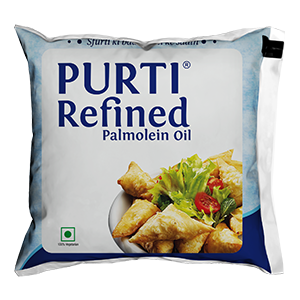
Cooking oil is an essential part of almost every recipe – whether it’s frying, roasting, or tempering.
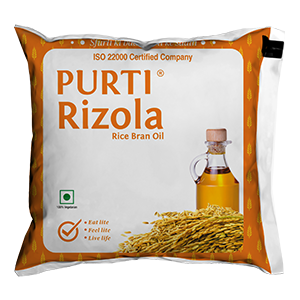
You may often notice terms like “cholesterol-free” on packaging. In simple terms, plant-based oils such as rice bran, sunflower, and soybean oil naturally do not contain cholesterol. This is a basic characteristic of plant-derived oils.
Being aware of such information helps consumers make informed choices based on product labels and usage needs.
Festive cooking usually involves preparing multiple dishes, often in larger quantities. In such situations, the choice of oil can influence aspects like cooking consistency, temperature handling, and overall preparation flow.
Different oils behave differently depending on how they are used. That’s why many households choose oils that match their regular cooking style, especially during busy festive preparations.
The focus is not on changing recipes, but on managing the cooking process smoothly.
Traditional recipes can remain exactly as they are. A few practical and mindful approaches in the kitchen can help maintain balance:
These are common kitchen practices that support better control during cooking – especially when preparing multiple dishes during festivals.
Indian kitchens are deeply rooted in tradition. Ingredients like ghee, butter, and coconut oil continue to be an important part of festive recipes and cultural practices.
The idea is not to replace these traditions, but to understand how different types of oils can be used across different cooking needs.
Many households today follow a balanced approach – using a mix of traditional fats and plant-based oils depending on the dish and occasion.
This allows tradition to stay intact while adapting to modern cooking preferences.
Festivals bring together people of all age groups, each with their own food preferences.
Thoughtful cooking choices – in terms of ingredients, oil selection, and preparation methods – can help ensure that meals are prepared in a way that suits a variety of preferences at the table.
Because festive food is not just about recipes – it’s about sharing and togetherness.
While festivals are special, cooking is a daily activity. Developing awareness about ingredients, labels, and cooking practices helps build informed habits over time.
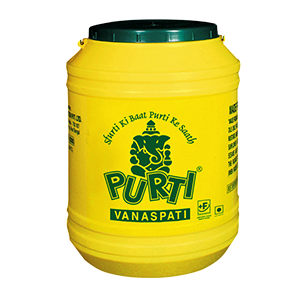
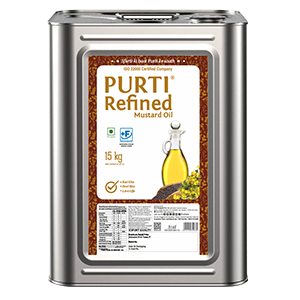
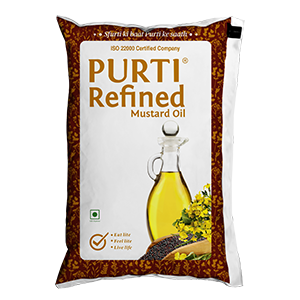
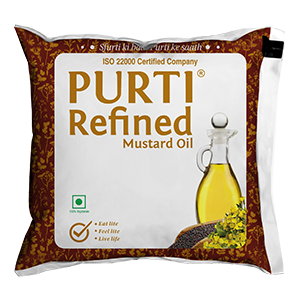
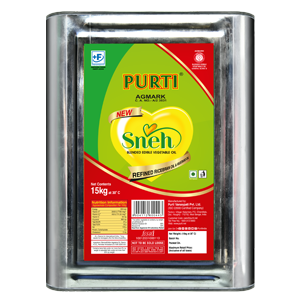
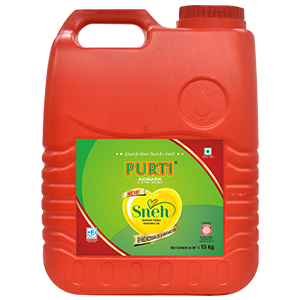
Brands like Purti Vanaspati Pvt. Ltd. focus on maintaining quality standards, transparent labelling, and consistent production processes – helping consumers make choices based on clear and reliable information.
Awareness is not about restriction – it is about understanding.
Tip of the Week
“परंपरा स्वाद देती है, समझदारी संतुलन लाती है।”
(Tradition brings flavour. Awareness brings balance.)
Video Link: https://youtu.be/dgkObmcBFe0
Coming Up Next Week
In Week 34, we explore a practical topic for every household:
“Simple Home Practices to Observe Cooking Oil Quality.”
Stay tuned to continue your journey towards more informed cooking choices.
Disclaimer:
This article is intended for general awareness and informational purposes only. It does not provide medical or nutritional advice. For health-related dietary guidance, please consult a qualified healthcare professional or nutritionist.
All content is aligned with the principles outlined in the Food Safety and Standards (Advertising and Claims) Regulations, 2018, under the framework of the Food Safety and Standards Authority of India.
Cooking oils should always be used in moderation as part of a balanced diet and healthy lifestyle.
Our commitment to quality is supported by the state-of-art infrastructure, its relationship with the buyers and modern production facilities.
Our Company pursues a single goal - completely focussed on th quality of the product.
© copyright, Purti Vanaspati Pvt. Ltd. All Rights Reserved.