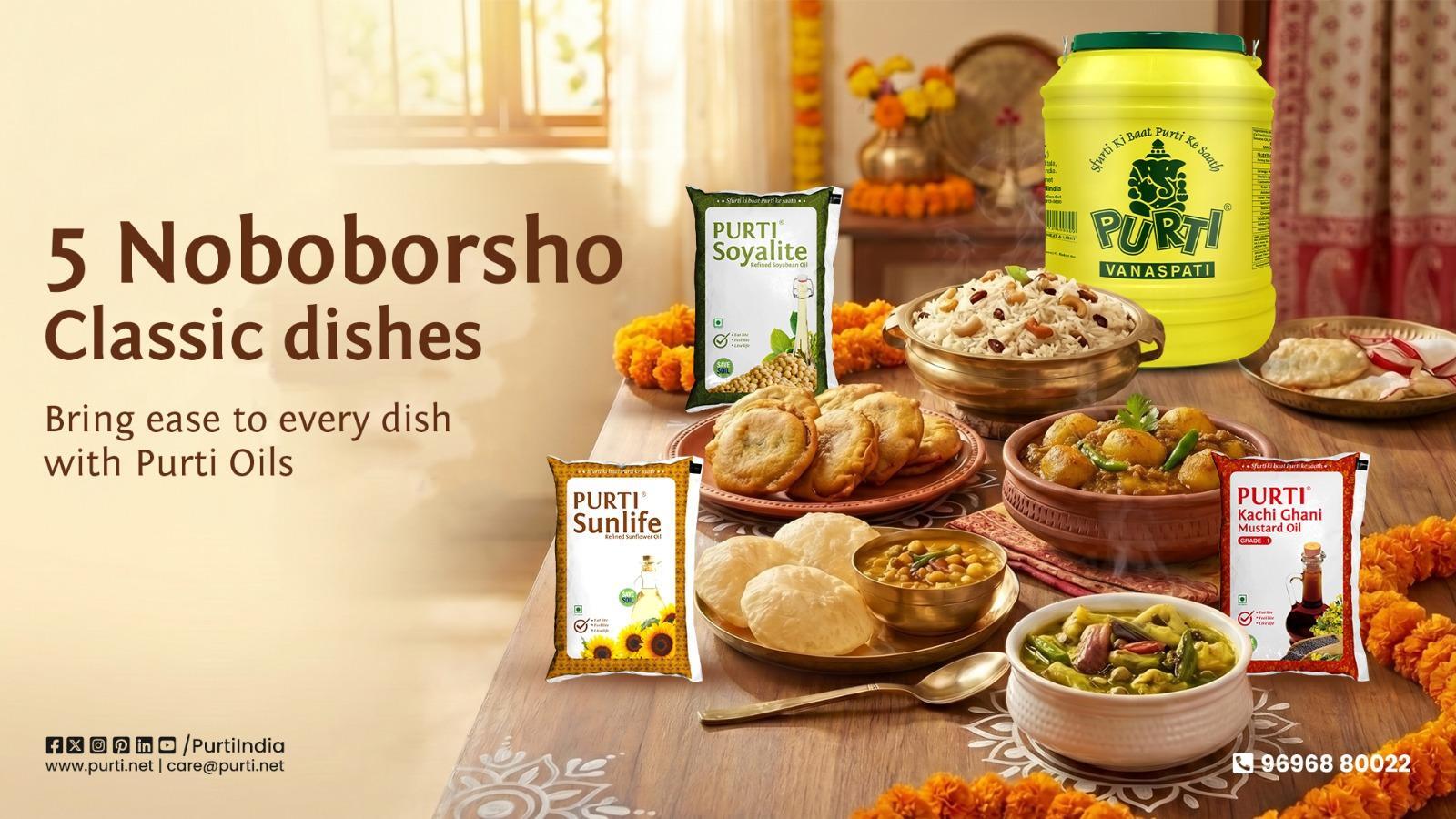
In the celebration of the Bengali New Year, Poila Boishakh food holds a special place in every home. From the comforting smell of rice to the sharp flavour of vegetable stews and the richness of slow-cooked meat, these Bengali New Year recipes define culture and connection. As the meal ends on a sweet note, it reflects the essence of traditional Bengali dishes that have been passed down for generations.
In every grandmother’s kitchen, or what we fondly call Didun’s space, food was never just about taste; it was about storytelling. These Didun recipes, Bengali style, carry warmth, instinct, and emotion. Today, while kitchens have evolved, the soul of nostalgic Bengali food remains unchanged. With growing awareness, people now choose options like Purti cooking oil, a healthy cooking oil India trusts, to maintain a balance between flavour and mindful cooking.
A proper Nobo Barsho special food spread follows a ritual, from bitter beginnings to sweet endings. This structure forms the classic traditional Bengali thali, symbolising life’s journey and making Bengali festive cooking deeply meaningful.
“Didun recipes Bengali” represents cooking guided by instinct rather than measurement. These Bengali grandmother recipes are rich, comforting, and rooted in Bengali kitchen traditions that continue to inspire modern kitchens.
Recreating authentic Bengali recipes today is easier when you choose the best cooking oil for Indian cooking, one that supports flavour without overpowering it.
Shukto is a must-have in any traditional Noboborsho food list with recipes. Slow-cooked with bitter gourd and vegetables, it sets the tone for the meal with its balanced flavour profile.
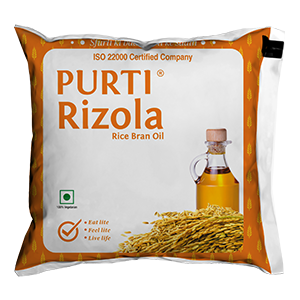
Using rice bran oil enhances the dish while keeping it light. Known for its versatility, it highlights the rice bran oil benefits that cooking enthusiasts often look for in healthy Bengali cooking tips.
For delicate dishes like shukto, the oil must remain neutral. This ensures the original taste of authentic Bengali recipes is preserved without interference.
A staple in the Bengali lunch menu, Noboborsho, luchi, and chholar dal bring joy to festive mornings. Soft, puffed luchis paired with sweet-spiced dal are essential to Bengali New Year food traditions.
Switching to sunflower oil for frying helps achieve lighter results. It’s a great choice for those exploring how to cook Bengali food with less oil while maintaining authenticity.
With proper heat control, luchis remain crisp and golden without absorbing excess oil, an important trick in healthy oils for Indian festive cooking.
Beguni is a beloved part of Bengali festival dishes cooked at home. Simple ingredients create a crispy snack that perfectly complements evening addas.
Using soybean oil for deep frying ensures stability at high temperatures, making it ideal for the best oil for deep frying Indian snacks. It also supports efficient soybean oil for cooking practices.
Maintaining the right temperature reduces oil absorption, keeping beguni crisp and light, an essential tip for mastering Bengali festival recipes at home.
Kosha mangsho is central to any Noboborsho traditional menu idea. This slow-cooked dish reflects the richness of Grandmother’s recipes, Bengali style, and remains a highlight of festive meals.
Using oils with high smoke points ensures consistency during long cooking hours. It also helps identify the best oil for making luchi and kosha mangsho in modern kitchens.
With the right oil choices, indulgent dishes can still align with healthy Bengali cooking tips while preserving their signature taste.
Mishti pulao is a symbol of nostalgic Bengali food blog moments; fragrant, mildly sweet, and deeply satisfying.
Using neutral oils helps retain the aroma of spices and rice, allowing the dish to shine as part of Bengali cuisine recipes.
In such dishes, oil must play a supporting role. The focus should remain on the natural flavours, ensuring the authenticity of traditional Bengali dishes.
From frying to slow cooking, each dish in Bengali festive cooking requires a specific oil type, whether it’s mustard oil for Bengali cuisine for flavour or lighter oils for frying.
Knowing how oils behave under heat improves both texture and taste. This awareness is essential for modern cooking with traditional Bengali recipes.
The right oil enhances rather than changes tradition, helping recreate flavours with better balance and care.
From mustard oil for Bengali cooking to rice bran, sunflower, and soybean oils, Purti cooking oil offers versatility for every recipe.
Quality matters when preparing Bengali New Year food. Choosing the right oil ensures consistency in every dish.
Whether festive or everyday meals, selecting the best cooking oil for Indian cooking helps maintain both flavour and balance.
While earlier generations relied on instinct, today’s approach blends tradition with knowledge, understanding oils, ingredients, and techniques.
It is now possible to enjoy traditional Bengali dishes while making mindful choices, bridging the gap between heritage and modern needs.
Poila Boishakh is not just about food; it is about preserving Bengali kitchen traditions while adapting to evolving lifestyles.
As you recreate these Noboborsho traditional menu ideas, remember that thoughtful choices, from ingredients to oils, complete the experience of Bengali festival recipes at home.
A traditional spread includes shukto, chholar dal with luchi, beguni, kosha mangsho, and mishti pulao, forming a complete Bengali festive food experience.
Different dishes require different oils: mustard oil in Bengali cooking for authentic flavour, sunflower oil for frying, rice bran oil for light cooking, and soybean oil for frying or deep frying snacks.
Use portion control, choose the healthy cooking oil India prefers, and follow proper techniques. This ensures healthy oils for Indian festive cooking without compromising flavour.


Our commitment to quality is supported by the state-of-art infrastructure, its relationship with the buyers and modern production facilities.
Our Company pursues a single goal - completely focussed on th quality of the product.
© copyright, Purti Vanaspati Pvt. Ltd. All Rights Reserved.