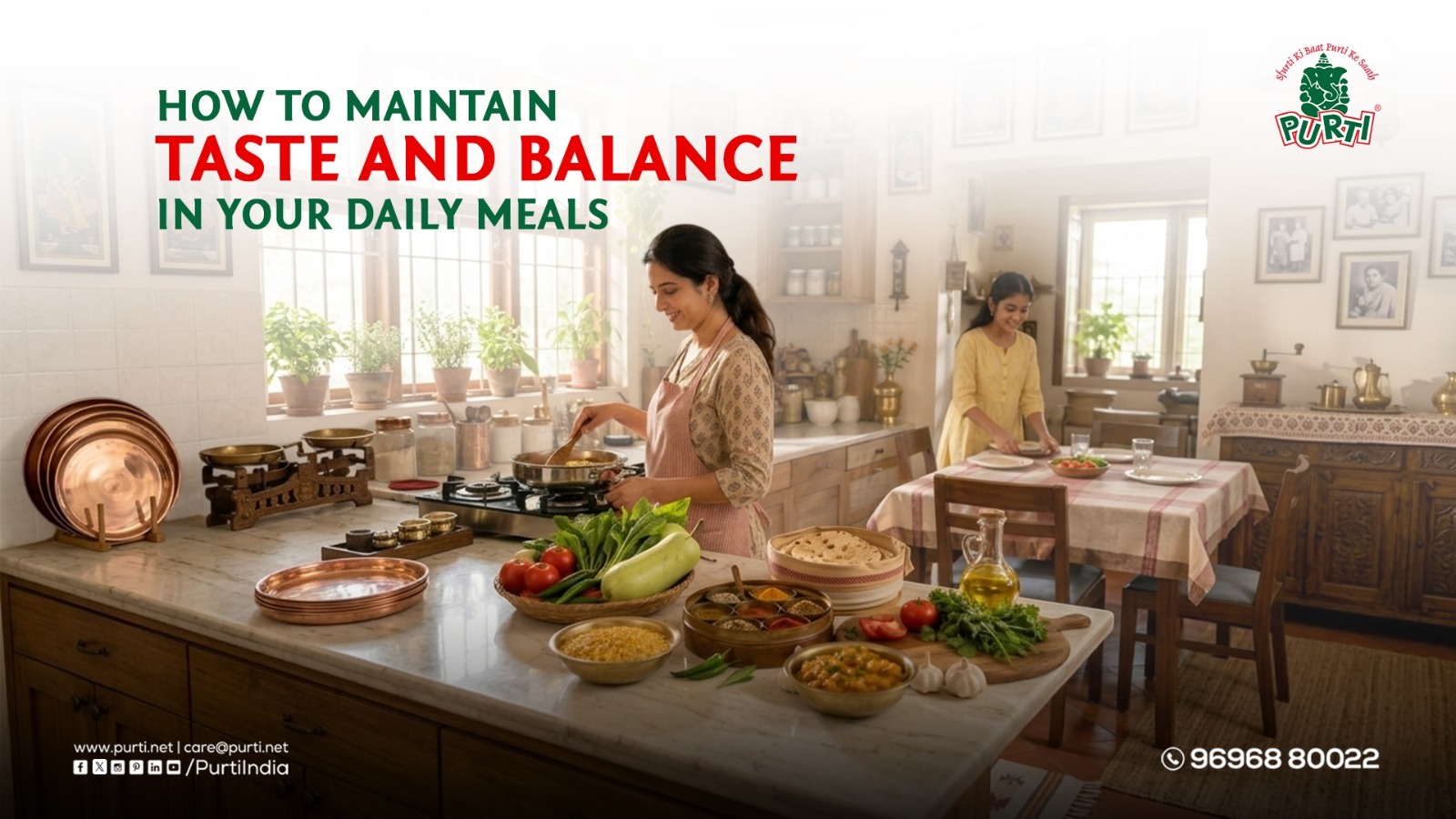
The kitchen is often called the heart of every Indian home – and for good reason. It is where stories are shared, traditions are passed down, and everyday meals turn into memories. From the aroma of freshly prepared dal to the comfort of warm rotis and seasonal sabzis, our daily cooking shapes not just our taste but also our family routine.
Yet, amid busy schedules and changing eating habits, one simple question often comes to mind: can we maintain both taste and balance in our everyday cooking?
For many families, the answer lies not in changing everything, but in making small, thoughtful choices. Cooking is not only about recipes; it is also about understanding methods, ingredients, and the needs of the people we cook for.
Let us explore how simple awareness in the kitchen can help bring both flavour and balance to your daily meals.
Everyday Taste Begins with Everyday Choices
In most Indian households, everyday meals include a familiar mix – dal, rice, sabzi, chapati, light snacks, and sometimes festive dishes prepared with extra care. These meals may look simple, but the way they are prepared makes a meaningful difference.
Taste does not come only from spices. It also comes from timing, temperature, technique, and the cooking medium chosen for the recipe. The same vegetable can taste completely different depending on whether it is slow-cooked, lightly sautéed, or prepared with traditional tempering.
Small decisions such as choosing the right cooking method, avoiding unnecessary overcooking, and preparing ingredients mindfully can improve the overall cooking experience. Balance in cooking does not mean removing your favourite foods; it means preparing them with awareness and consistency. This is where thoughtful kitchen habits become important.
Tradition and Modern Kitchens Can Work Together
One of the most beautiful things about Indian cooking is how tradition and modern needs exist side by side.
For generations, ingredients like ghee, butter, mustard oil, coconut oil, and groundnut oil have played an important role in regional kitchens across India. In West Bengal especially, mustard oil carries both cultural familiarity and culinary significance.
At the same time, today’s fast-paced lifestyle often requires practical cooking solutions for everyday meals. Many families use different cooking mediums depending on the dish, occasion, and convenience.
A light breakfast may need one approach, while a festive meal may call for another. Some recipes demand traditional techniques, while others fit better with versatile daily cooking options.
This balance between tradition and convenience helps families create meals that are both practical and satisfying. The goal is not replacement; it is understanding what works best for your kitchen and your routine.
Every Family Has Different Cooking Needs
No two homes cook the same way. Some families prefer light, simple meals with minimal spices, while others enjoy rich flavours and traditional recipes full of aroma and texture. Some people need quick weekday meals, while others enjoy slow weekend cooking with recipes passed down through generations.
Even within one family, preferences can vary. Children may prefer mild flavours, elders may prefer familiar traditional meals, and working adults may look for quick preparation.
This is why flexibility matters in the kitchen. Many households choose cooking options that work across different recipes, something that supports both daily convenience and variety. A cooking choice that adapts easily to frying, sautéing, or regular meal preparation often becomes a practical part of the kitchen routine.
Cooking is not just about feeding the family, it is about understanding preferences, creating comfort, and bringing everyone together at the table. That emotional connection is what makes home-cooked food truly special.
Cooking with Awareness Creates Better Habits
Sometimes, the biggest improvements come from the smallest habits. Paying attention to ingredient quality, storing kitchen essentials properly, planning meals thoughtfully, and understanding how food is prepared can make everyday cooking smoother and more enjoyable. Instead of focusing only on the final dish, it helps to notice the process behind it.
Ask simple questions:
These small reflections build better kitchen awareness over time. And awareness creates confidence. When cooking becomes more thoughtful, it naturally becomes more balanced.
The Real Meaning of Balance in Daily Cooking
Balance is not about perfection. It is not about complicated rules or removing everything familiar from your plate. It is about creating a kitchen routine that respects taste, family needs, and practical daily life. Some days call for comfort food. Some days require quick cooking. Some meals are made for celebration, while others are prepared simply to bring warmth after a long day. Every meal has its place.
The real balance lies in making conscious choices that suit your lifestyle without losing the joy of cooking. Because food is not just nourishment – it is emotion, tradition, and togetherness.
Final Thoughts
The next time you step into your kitchen, look beyond the recipe. Notice the method. Understand the ingredients. Think about the people you are cooking for. Sometimes, maintaining taste and balance does not require big changes – just better awareness.
A thoughtful kitchen creates better meals, stronger family connections, and a more meaningful cooking experience every single day. At Purti Vanaspati, we believe that good cooking begins with understanding, and every meal becomes better when prepared with care. Choose wisely, cook with balance, and stay aware.
Tip of the Week
Small cooking choices, like selecting the right method and using ingredients thoughtfully, can help maintain both taste and balance in everyday meals. Focus on how you cook, not just what you cook.
Video Link: https://youtu.be/P_drI724Am0
Coming Up Next Week
Next week, explore how seasonal changes can influence your cooking methods and ingredient choices. Stay tuned to learn how to adapt your kitchen for every season.
Disclaimer
This blog is created for general awareness purposes only and should not be considered medical, nutritional, or therapeutic advice. Please consult a qualified doctor or nutritionist for decisions related to your diet and health. The content shared complies with Food Safety and Standards Authority of India (FSSAI) guidelines and follows the Food Safety and Standards (Advertising and Claims) Regulations, 2018.


Our commitment to quality is supported by the state-of-art infrastructure, its relationship with the buyers and modern production facilities.
Our Company pursues a single goal - completely focussed on th quality of the product.
© copyright, Purti Vanaspati Pvt. Ltd. All Rights Reserved.