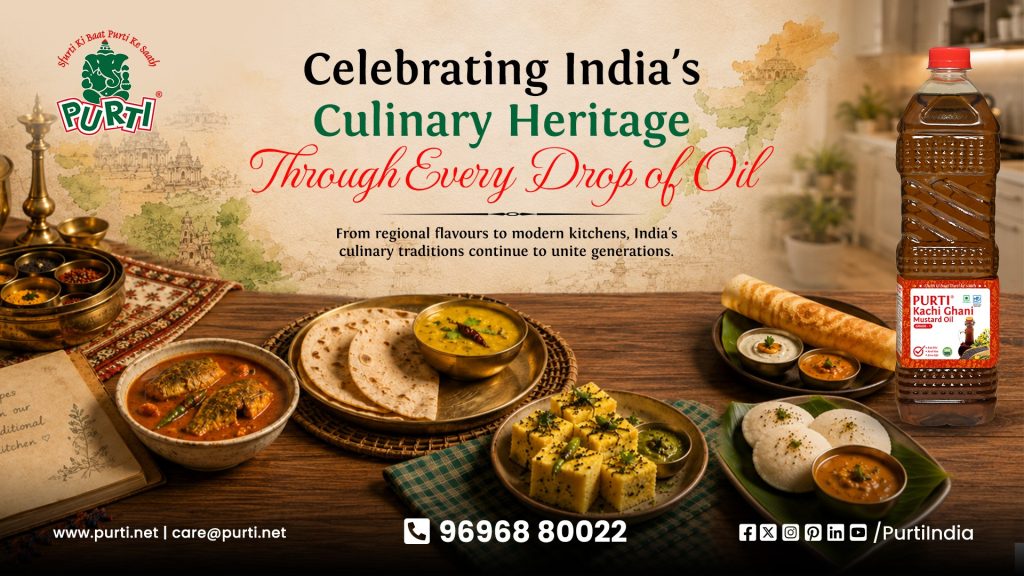
India’s food culture is influenced by its geography, local ingredients, and regional traditions. Across different states, recipes and cooking techniques may vary, but cooking oils continue to be a common ingredient used in everyday meals and festive preparations.
Whether it is the use of mustard oil in eastern India, tempering spices for lentil dishes, or preparing festive sweets, cooking oils have been part of Indian kitchens for generations.
Over time, cooking methods, kitchen equipment, and consumer preferences have changed. However, food remains closely connected to family traditions, celebrations, and shared experiences.
How Do Different Regions of India Use Different Cooking Oils?
Eastern India (West Bengal, Bihar, and Assam): Mustard oil is commonly used in fish dishes, vegetables, pickles, and festive recipes.
Northern and Western India: Refined oils, such as soyabean oil, are often used for curries, lentils, and everyday meals.
Southern India (Tamil Nadu, Kerala, Karnataka, and Andhra Pradesh): Different oils are used for rice dishes, curries, snacks, seafood preparations, and festive foods.
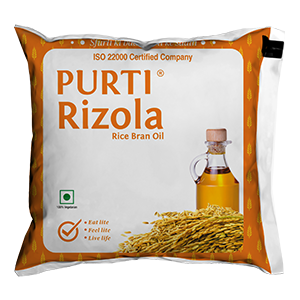
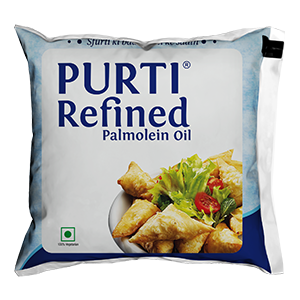
Modern Indian kitchens: Sunflower oil, rice bran oil, and palmolein oil are used in various cooking methods, including stir-frying, sautéing, roasting, frying, and gravy-based dishes.
Indian kitchens have evolved significantly over the years.
Earlier generations often relied on:
Today, households have access to:
Although cooking practices have changed, food continues to play an important role in family gatherings and celebrations.
Recipes are often shared between generations, helping preserve culinary traditions and cultural practices.
Cooking oil is an essential component of many recipes and contributes to several aspects of food preparation.
Cooking oil contributes to:
Different oils interact differently with spices, ingredients, and cooking techniques, which is why families often select oils based on the dish they are preparing.
Preparing dishes from different states can help you explore India’s culinary diversity.
Different recipes and cooking methods may involve different types of cooking oils.
Documenting family recipes can help preserve culinary traditions for future generations.
Store cooking oils in a cool and dry place, away from direct sunlight and moisture.
Preparing meals together during celebrations can help keep food traditions alive.
India’s culinary heritage is built on regional recipes, cooking practices, and traditions that continue to be shared across generations.
From traditional preparations to contemporary kitchens, cooking oils remain part of many recipes prepared in households across the country.
This Independence Week, celebrate the diversity of Indian food and the traditions associated with different regional cuisines.
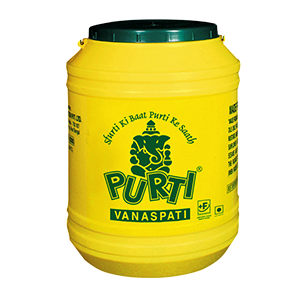
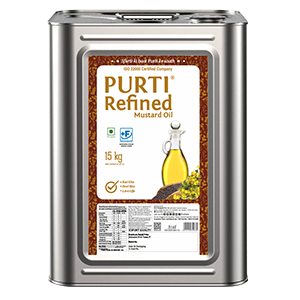
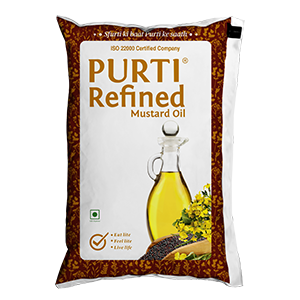
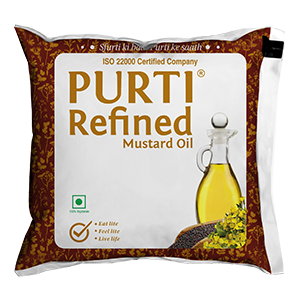
Explore the range of cooking oils from Purti Vanaspati Pvt. Ltd., including Purti Kachi Ghani Mustard Oil, Purti Soyalite Refined Soyabean Oil, Purti Sunlife Refined Sunflower Oil, Purti Rizola Refined Rice Bran Oil, and Purti Palmolein Refined Vegetable Oil, available for different cooking applications and culinary preferences.
Visit www.purti.net to learn more about Purti’s product range and explore the culinary traditions that continue to be part of Indian kitchens.

Our commitment to quality is supported by the state-of-art infrastructure, its relationship with the buyers and modern production facilities.
Our Company pursues a single goal - completely focussed on th quality of the product.
© copyright, Purti Vanaspati Pvt. Ltd. All Rights Reserved.