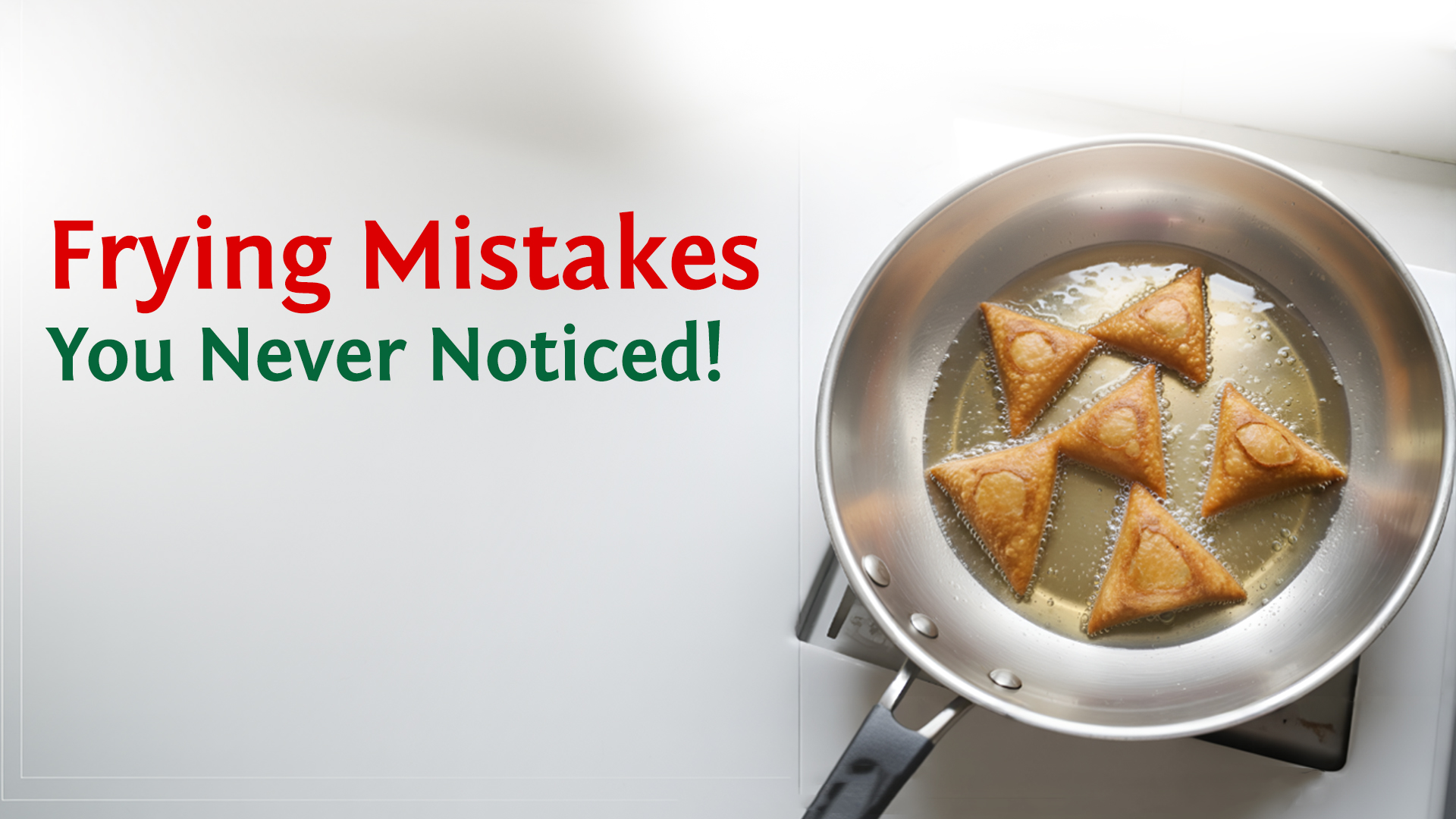
Frying Is Not Your Enemy. Crispy pakoras on a rainy day, golden samosas during festivals, perfectly puffed pooris on Sunday mornings, frying is woven into Indian food culture.
But somewhere along the way, frying gained a bad reputation. Many people believe fried food automatically harms heart health.
Here’s the truth:
Frying isn’t harmful by default; wrong oil, wrong temperature, and bad habits are.
With the right approach, frying can be occasional, safe, flavorful, and enjoyable.
What Exactly Is “Smoke Point” and Why Should You Care?
The smoke point is the temperature at which oil begins to:
Once oil crosses this point, it may start forming unwanted compounds, and the quality of food deteriorates.
Why smoke point matters in Indian cooking:
Indian frying typically touches high temperatures (170–190°C).
Therefore, the oil you choose must be stable enough to withstand that heat without burning or breaking down too quickly.
Conclusion: A high smoke point means safer, cleaner, and more consistent frying.
Best Oils for Heart-Smart, High-Heat Indian Frying
Different dishes need different oils. But for deep frying and tadka, your oil must have:
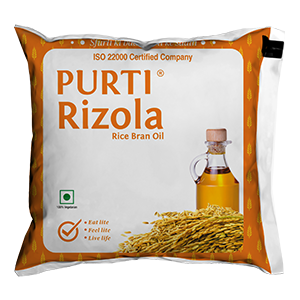
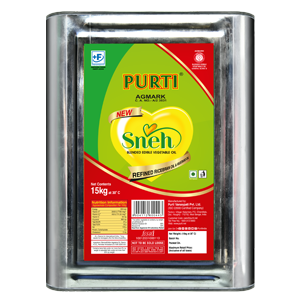
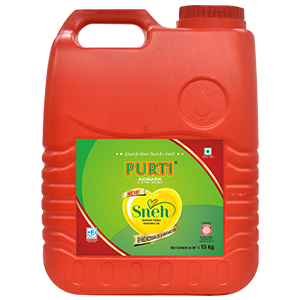
Our Blended Oil (Naturally Cholesterol-Free)
A balanced blended oil works great for everyday frying because it offers:
This makes it suitable for regular Indian high-heat cooking.
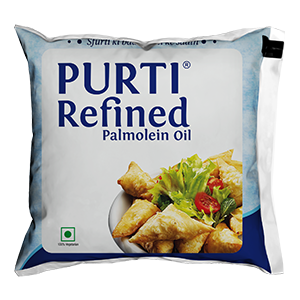
Other Popular Oils for Frying in Indian Kitchens
All these oils, being plant-based, are naturally cholesterol-free, which makes them suitable for heart-conscious cooking when used in moderation.
Traditional Fats: Where Do Ghee, Butter & Coconut Oil Stand?
Ghee
Coconut Oil
Butter
Bottom Line: Traditional fats are not “bad”; they just need correct pairing with the right cooking style.
Smart & Healthy Frying Tips
Use paper towels or mesh racks.
This simple step reduces excess fat significantly.
Balanced consumption is the real key, not avoiding frying completely.
This improves heat stability and keeps flavours intact.
Tip of the Week
“Frying isn’t forbidden – it’s about using the right oil, the right heat, and the right amount.”
Smart practice turns frying into a safe, enjoyable cooking technique—not something to fear.
Video on YouTube – https://youtu.be/fQjMYmjXudg
Coming Up Next Week
Next week, we’ll explore:
“How to safely reuse or dispose of cooking oil without harming health or the environment.”
This is crucial for every Indian kitchen, don’t miss it!
FSSAI-Compatible Note
All plant-based oils are naturally cholesterol-free. This blog focuses on general awareness based on cooking practices and does not replace professional dietary advice.
Disclaimer (FSSAI Compatible)
This blog is for general awareness only and should not be considered a substitute for professional dietary or medical advice. Please consult a doctor or nutritionist for personalised guidance. All statements follow the Food Safety and Standards (Advertising and Claims) Regulations, 2018. Cooking oils should always be used in moderation along with a balanced lifestyle.
Our commitment to quality is supported by the state-of-art infrastructure, its relationship with the buyers and modern production facilities.
Our Company pursues a single goal - completely focussed on th quality of the product.
© copyright, Purti Vanaspati Pvt. Ltd. All Rights Reserved.