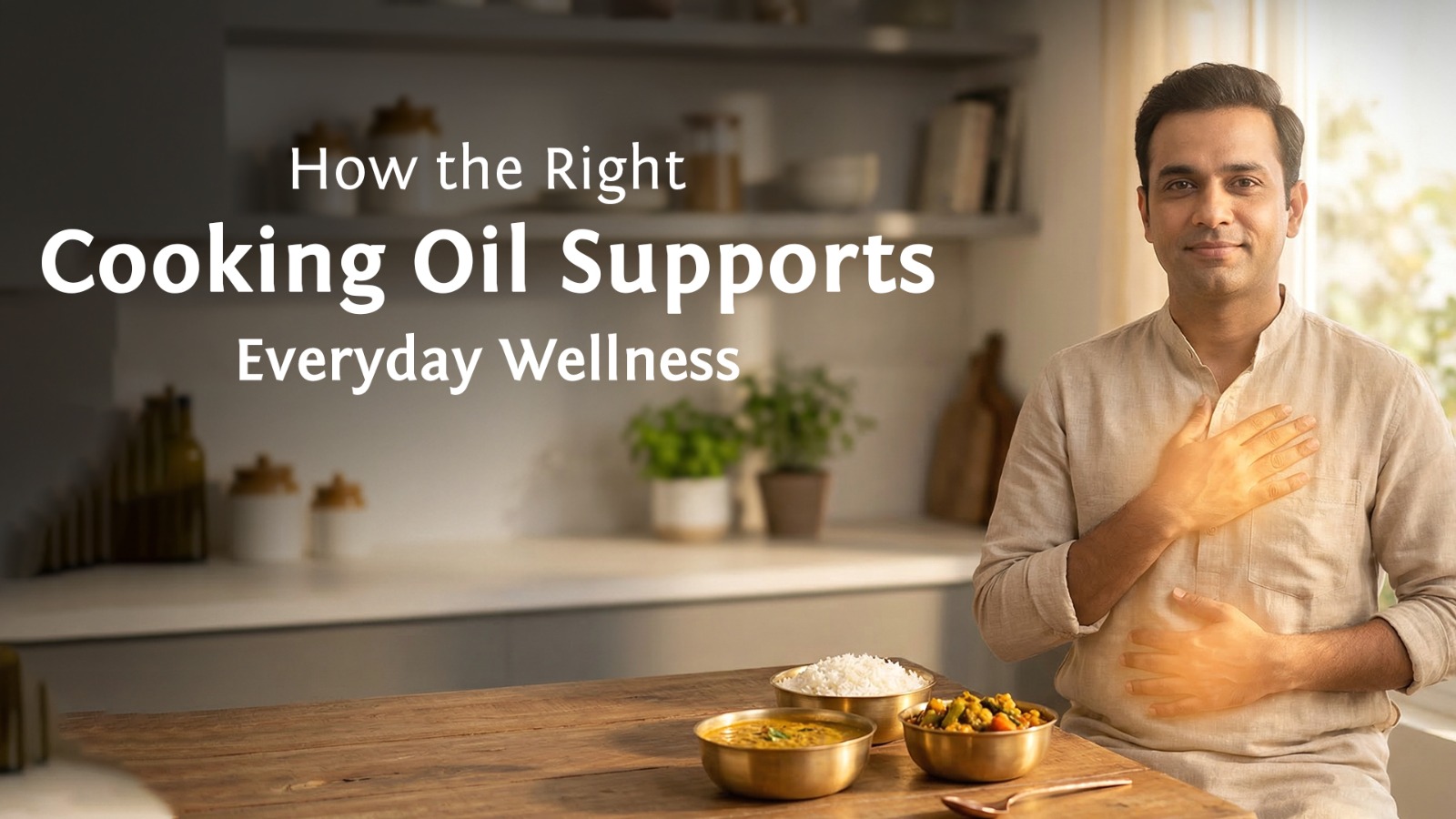
There is a quiet moment in every kitchen. The flame is just right. The pan begins to warm. And then comes the oil – poured gently, spreading across the surface, ready to carry flavour, aroma, and nourishment into the food that follows.
We often focus on the vegetables we pick, the spices we grind, or the recipes we follow. But rarely do we pause and think about the one ingredient that touches almost everything we cook.
The oil.
It may seem simple, but the oil you use plays a subtle yet meaningful role in how your meals feel – from taste and texture to how comfortably they fit into your daily routine. This week, we explore how choosing the right cooking oil can support a more balanced, mindful, and comfortable eating experience.
Why the Oil You Use Matters More Than You Think
In an Indian kitchen, oil is not just for frying or sautéing. It is the base that brings together spices, the medium that carries flavours, and the element that influences the overall feel of a meal.
Think about a simple sabzi. The same vegetables, the same spices – yet the outcome can feel very different depending on the oil used.
Some meals feel light and easy. Others may feel heavier.
This difference often comes down to the type and quality of oil, along with how it is used.
Cooking oil also contributes to the absorption of fat-soluble vitamins present in food, making it an important part of a balanced diet when used in appropriate quantities.
The Role of Oils in Supporting Everyday Nutrition
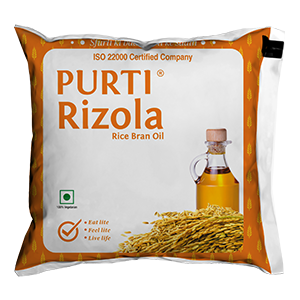
Plant-based edible oils such as rice bran, soybean, and sunflower oil are commonly used in Indian households. These oils are known to contain naturally occurring components like:
Vitamin E
A naturally present antioxidant that helps protect cells from oxidative stress as part of a balanced diet.
Fatty Acids (MUFA & PUFA)
These are types of unsaturated fats that play a role in normal body functions when consumed as part of a varied diet.
Antioxidant Compounds
Present in certain oils, these compounds contribute to overall dietary balance.
It is important to remember that no single ingredient works in isolation. Cooking oil is just one part of a larger food pattern that includes grains, vegetables, proteins, and lifestyle habits.
A Comfortable Cooking Experience Starts with Balance
We’ve all experienced meals that feel just right – satisfying without being overwhelming. Often, this comes down to how much oil is used, what type of oil is chosen, and how it is incorporated into cooking.
Some oils are preferred for their lighter feel or neutral taste, which may suit everyday cooking styles such as stir-frying, shallow frying, or simple home meals.
Using oil in moderation, along with mindful cooking methods, can contribute to a more comfortable dining experience for many households. Rather than focusing on extremes, the key lies in balance and consistency.
Energy in Everyday Life: A Matter of Balance
Food fuels daily life – from morning routines to long workdays and family evenings. Fats, including those from cooking oils, are one of the sources of energy in our diet. However, the experience of that energy often depends on:
Choosing oils that align with your cooking style and using them thoughtfully can help maintain a sense of lightness and steadiness throughout the day. It’s not about finding a “perfect” oil – but about finding what works best for your kitchen and your routine.
Respecting Tradition While Making Everyday Choices
Indian kitchens are deeply rooted in tradition. Ingredients like ghee, butter, and coconut oil are not just cooking mediums – they are part of cultural identity, regional cuisines, and cherished recipes.
From festive sweets to traditional curries, these fats have their own place and importance. At the same time, modern kitchens often require oils that fit into everyday cooking needs – versatile, consistent, and suitable for a variety of dishes.
The idea is not to replace tradition, but to create a balance between traditional choices and daily cooking preferences. A well-rounded kitchen often includes a mix of both.
Making Informed Choices in the Kitchen
With so many options available today, choosing cooking oil can feel confusing. But a few simple habits can make the process easier:
These small steps can help bring more clarity and confidence into everyday cooking decisions.
Tip of the Week
“If your cooking feels balanced and your meals feel comfortable, your choices are moving in the right direction.”
Video Link: https://youtu.be/tNkusw0ILEE
Looking Ahead
Every week in this series is a step toward building a more aware and thoughtful kitchen. In Week 33, we explore another practical question:
How often should you change the type of cooking oil you use at home?
Stay with us as we continue to simplify everyday food choices – one ingredient at a time.
Disclaimer:
This article is intended for general awareness and informational purposes only. It does not provide medical or nutritional advice. For health-related dietary guidance, please consult a qualified healthcare professional or nutritionist.
All content is aligned with the principles outlined in the Food Safety and Standards (Advertising and Claims) Regulations, 2018, under the framework of the Food Safety and Standards Authority of India.
Cooking oils should always be used in moderation as part of a balanced diet and healthy lifestyle.


Our commitment to quality is supported by the state-of-art infrastructure, its relationship with the buyers and modern production facilities.
Our Company pursues a single goal - completely focussed on th quality of the product.
© copyright, Purti Vanaspati Pvt. Ltd. All Rights Reserved.