In Indian kitchens, oil is more than an ingredient. It carries aromas, holds spices together, and quietly shapes the final experience of a meal – whether it’s a weekday sabzi or a festive spread.
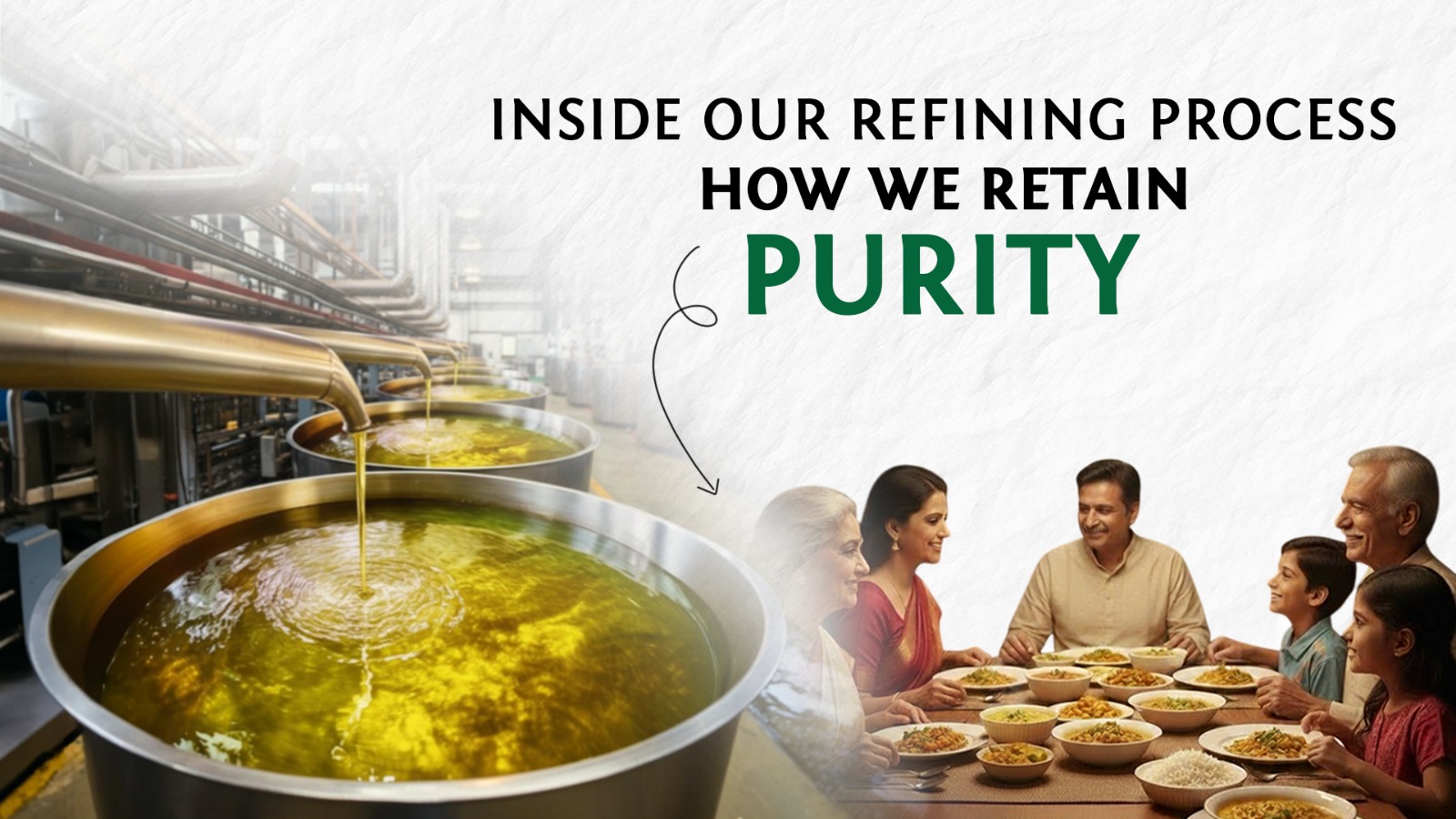
Yet, one question often comes up when choosing an edible oil: What does “refined” actually mean – and how is purity maintained through the process?
At Purti Vanaspati, refining is not about stripping oil down. It’s about carefully cleaning it, step by step, while respecting both food safety and traditional cooking needs.
This is the story of how we retain purity through refining.
Refined oil is sometimes misunderstood. In simple terms, refining means removing naturally occurring impurities that may affect:
These impurities are not harmful by default, but if left untreated, they can:
A well-refined edible oil is designed to be:
At our facilities, refining is carried out under strict hygiene and quality protocols, aligned with applicable FSSAI standards – without adding unnecessary substances or artificial elements.
Refining is not a single action. It is a controlled sequence, where each step has a clear purpose.
Crude oil naturally contains gums (phospholipids) that can affect clarity and texture.
During degumming:
This step does not alter the oil’s character – it simply removes what the kitchen doesn’t need.
Free fatty acids can sometimes develop during oil extraction and storage.
If not addressed, they may:
Neutralisation carefully removes excess free fatty acids, helping ensure:
The process is closely monitored to avoid over-processing.
Despite the name, bleaching does not involve household bleach or harsh chemicals.
Instead, we use food-grade natural clays to:
This step is about visual purity – not artificial brightness.
Some oils carry strong natural odours that may interfere with certain recipes.
Through deodorisation:
The result is an oil that stays neutral, allowing spices, grains, and vegetables to take centre stage.
A refining process should protect more than it removes.
At Purti Vanaspati, the focus is on:
Our refining practices aim to ensure that the oil:
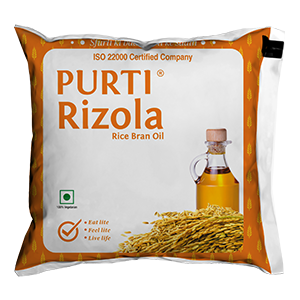
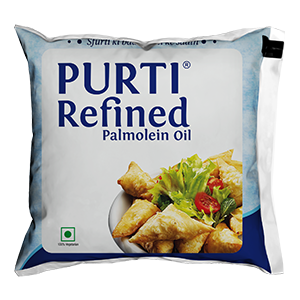
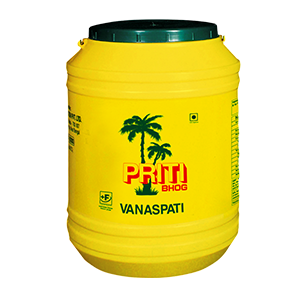
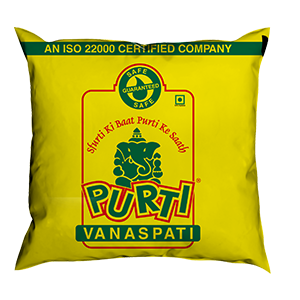
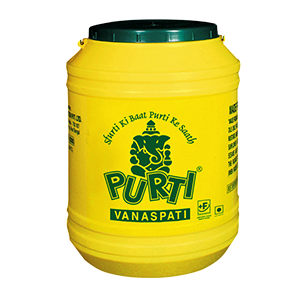
This approach applies across our range – from Purti Vanaspati, an iconic product trusted across generations, to oils like Soyalite Refined Soyabean Oil, Sunlife Refined Sunflower Oil, Rizola Refined Rice Bran Oil, and our Refined Vegetable Oils.
Each oil is refined with its intended culinary use in mind.
Indian cuisine is diverse. Deep frying, tempering, sautéing, and slow cooking often happen in the same kitchen – sometimes in the same meal.
Refined oils are commonly chosen for:
That doesn’t mean traditional fats lose their place.
Ghee, butter, coconut oil, and other traditional fats are deeply woven into Indian food culture.
They are often used:
Refined oils don’t replace these traditions -they support everyday cooking routines, offering flexibility while allowing traditional fats to shine where they matter most.
Many households naturally combine both, based on recipe and occasion.
Refining rarely makes headlines – and that’s intentional.
When done correctly:
At Purti Vanaspati, retaining purity means respecting the ingredient, the kitchen, and the trust placed in us by Indian households.
Video Link: https://youtu.be/_blwspi1cCU
In the next edition of 52 Weeks to a Healthier Kitchen, we’ll explore how families can build a long-term cooking oil routine that fits everyday meals, special occasions, and regional preferences – without overthinking the kitchen.
Disclaimer: This blog is for general awareness purposes only and does not provide medical advice or claim prevention, treatment, or cure of any disease.
For health or diet-related decisions, consult a qualified doctor or nutritionist.
All nutritional references and statements are made in accordance with the Food Safety and Standards (Advertising and Claims) Regulations, 2018.
Cooking oils should always be used in moderation as part of a balanced diet and healthy lifestyle.
All plant-based edible oils are naturally cholesterol-free.

Our commitment to quality is supported by the state-of-art infrastructure, its relationship with the buyers and modern production facilities.
Our Company pursues a single goal - completely focussed on th quality of the product.
© copyright, Purti Vanaspati Pvt. Ltd. All Rights Reserved.