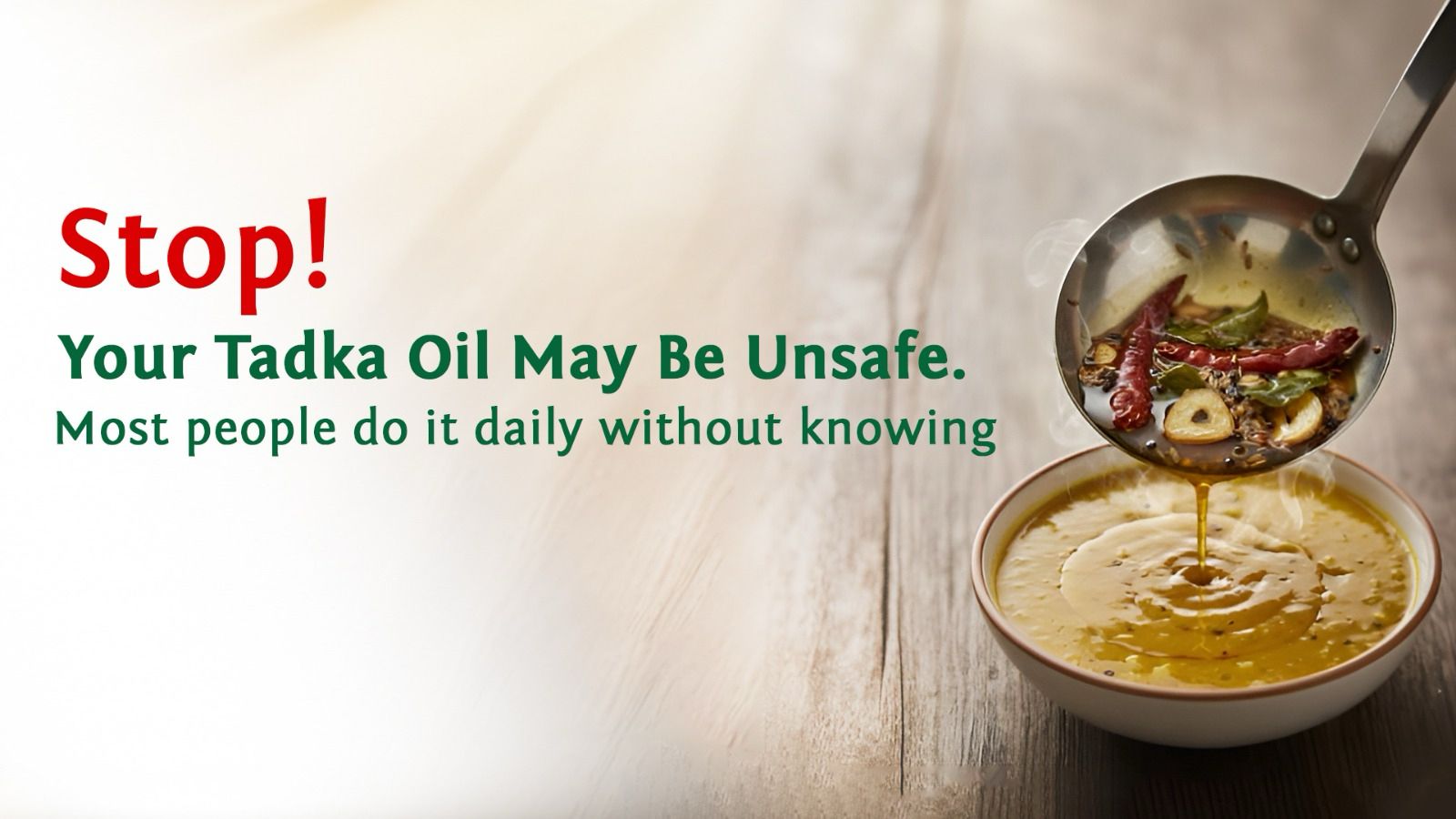
Indian cooking is incomplete without tadka – that sizzling moment when spices meet hot oil and transform a simple dal, khichdi, sabzi or chutney into something magical. That one spoon of tadka often decides whether your food tastes ordinary or unforgettable.
But here’s a question almost no one asks:
This blog reveals the truth – clearly, simply, and scientifically.
Here’s what the right oil for tadka must do:
If the oil smokes too fast, it can produce harmful breakdown products.
Mustard, cumin, garlic, and red chilli all need intense heat for aroma.
The oil should not overpower the natural taste of Indian spices.
Since tadka is used daily, the oil must be part of a heart-friendly lifestyle.
Unfortunately, many oils lose stability at high heat, making tadka less safe and less healthy.
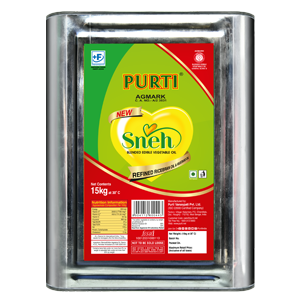
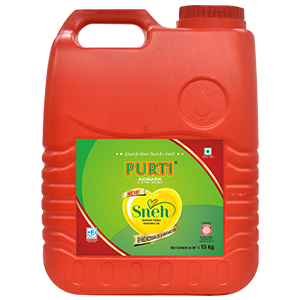
How Our Cholesterol-Free Blended Oil Performs Under Tadka Heat
A high-quality, well-balanced, cholesterol-free blended oil is designed to meet these challenges. Indian kitchens demand performance, and proper blends can deliver exactly that.
Let’s break down how our oil behaves during tadka:
Our oil heats fast but doesn’t smoke prematurely, which means:
This results in a pure, aromatic tadka that enhances your dish instead of damaging it.
Some oils have a very strong taste that overpowers Indian spices.
Our blended oil stays light and neutral, allowing:
The result?
Your dal, sabzi, or chutney tastes just the way your family loves – traditional, aromatic, and satisfying.
Indian households do much more than tempering:
Our blended oil supports all these methods while maintaining stability and taste.
The Heart-Health Advantage
A good blended oil offers a balanced combination of:
These fats, when consumed as part of a balanced diet, support better cooking outcomes and lifestyle decisions. Since the oil is naturally cholesterol-free (as all plant-based oils are), it fits perfectly into a heart-smart cooking pattern.
This balance ensures that your everyday cooking stays flavourful without compromising your long-term health goals.
What About Ghee, Butter & Coconut Oil? Should You Replace Them?
Traditional fats are part of the Indian cooking heritage.
And they deserve their place.
Ghee
Perfect for festive tadkas, rich dal tadka, jeera rice, and North Indian dishes.
A little ghee offers an unmatched aroma.
Butter
Ideal for pav bhaji, makhani gravies, and continental-style tadkas.
Coconut Oil
Essential for South Indian tempering – sambhar tadka, Kerala dishes, chutneys.
So what’s the balance?
You don’t need to remove traditional fats — just use them intentionally.
Best Practice:
Use our light, cholesterol-free blended oil for daily cooking and add 1 teaspoon of ghee for aroma when needed.
This way, your cooking stays flavourful, your calories stay controlled, and your heart stays happy.
Smart Tips to Make Your Tadka Healthier
Follow these simple but powerful rules:
Heat the oil only until the spices start crackling
Overheating destroys nutrients and spoils flavour.
Always use a measured quantity
Extra oil = extra calories (and unnecessary fat storage).
Keep the pan clean between uses
Burnt residue can make tadka bitter and unhealthy.
Combine oils wisely
A teaspoon of ghee + blended oil = best balance of taste and stability.
Buy oil in small quantities
Fresh oil performs better and stays more stable at high heat.
The Science Behind Cholesterol-Free Oils. A common misconception is:
“Cholesterol-free oil is healthier.” While the statement is true, the science behind it matters:
All plant-based oils are naturally cholesterol-free.
This is a fact and is compliant with the Food Safety and Standards (Advertising and Claims) Regulations, 2018.
Cholesterol becomes a concern only when oil breaks down from overheating, repeated reuse, or poor-quality oil.
This makes choosing a stable, high-performing blended oil important.
Tip of the Week
“For everyday tadka, choose an oil that stays stable at high heat, keeps flavours balanced, and supports heart-friendly living.”
Today’s Video Link: https://youtu.be/RPI5LpjWEGk
Coming Up Next Week
“Frying Without Fear – High Smoke Point & Heart Health”
A must-read if you shallow-fry or deep-fry often.
Disclaimer:
This blog is only for general awareness. It is not a substitute for medical advice. Please consult your doctor or nutritionist for guidance related to your health and diet. All claims and nutritional references comply with the ‘Food Safety and Standards (Advertising and Claims) Regulations, 2018’. Always use cooking oils in moderate quantities and follow a balanced lifestyle.
Our commitment to quality is supported by the state-of-art infrastructure, its relationship with the buyers and modern production facilities.
Our Company pursues a single goal - completely focussed on th quality of the product.
© copyright, Purti Vanaspati Pvt. Ltd. All Rights Reserved.