Walk into any Indian kitchen during lunchtime, and you’ll notice something special.
It’s not just the aroma of tadka or freshly fried luchis – it’s the presence of generations.
A grandmother carefully stirring dal.
Parents are balancing time between work and cooking.
Children are waiting for that first bite of something crispy and warm.
One kitchen. Many preferences. Different habits.
And somewhere in the middle of it all – a simple, often unnoticed ingredient – cooking oil.
But can one oil really fit into all these needs?
Let’s explore.
One Kitchen, Many Ways of Cooking
In Indian homes, food is never one-dimensional.
The same kitchen may prepare soft khichdi for elders, spiced sabzi for adults, and crispy snacks for children – all in a single day.
This diversity means one important thing:
Cooking is not just about ingredients, but also about how those ingredients behave during cooking.
Cooking oil plays a key role here:
That’s why choosing an oil is not about trends – it’s about fit.
Different Generations, Different Expectations
Every age group experiences food differently.
For Grandparents: Meals are often simpler, familiar, and rooted in tradition. Cooking methods may be slower, with a focus on comfort and routine.
For Parents: Daily cooking is about managing time, taste, and consistency. The oil used should work across multiple dishes – from tadka to frying.
For Children: Food is about texture and taste – soft rotis, crispy snacks, and flavourful bites that feel enjoyable.
Now here’s the reality most brands ignore:
That’s the real value.
What Makes an Oil Work Across Generations?
Instead of asking, “Which oil is best?”
A better question is: “Which oil works well in my everyday cooking?”
Here are a few practical aspects to consider:
Neutral Behaviour in Cooking: An oil that doesn’t overpower the natural taste of ingredients allows recipes to stay authentic.
Versatility: From light sautéing to festive frying – the oil should perform consistently across cooking methods.
Consistency in Quality: Clear labelling, proper packaging, and adherence to standards help maintain trust in everyday use.
Familiarity: Food habits are deeply personal. An oil that fits into existing recipes is more practical than one that forces change.
Plant-Based Oils in Everyday Indian Kitchens
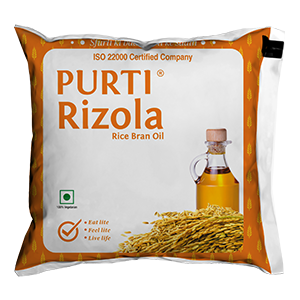
In many households, plant-based oils like rice bran, sunflower, and soybean oil are commonly used for daily cooking.
These oils are:
It’s important to understand that:
Tradition Has Its Place – And It Should Stay
Let’s address something honestly.
Indian kitchens are built on tradition:
These are not just ingredients – they are identity.
So the goal is not replacement.
It’s a balance.
Many families today:
Not because one is “better” – but because different dishes need different approaches.
Real Togetherness Is in Everyday Choices
Food has always been more than nutrition in India.
It’s a connection.
It’s the shared thali.
The extra roti was offered.
The same recipe is cooked differently for each member.
And in all this, cooking oil quietly does its job – helping bring everything together.
Not by making claims.
But by being reliable, consistent, and suitable for daily use.
Tip of the Week
“A good oil doesn’t change your food – it fits into it.”
Video Link: https://youtu.be/BPqDht9wRXs
Coming Up Next Week
Next: Simple ways to understand cooking oil quality in your kitchen.
Disclaimer:
This article is intended for general awareness and informational purposes only. It does not provide medical or nutritional advice. For health-related dietary guidance, please consult a qualified healthcare professional or nutritionist.
All content is aligned with the principles outlined in the Food Safety and Standards (Advertising and Claims) Regulations, 2018, under the framework of the Food Safety and Standards Authority of India.
Cooking oils should always be used in moderation as part of a balanced diet and healthy lifestyle.


Our commitment to quality is supported by the state-of-art infrastructure, its relationship with the buyers and modern production facilities.
Our Company pursues a single goal - completely focussed on th quality of the product.
© copyright, Purti Vanaspati Pvt. Ltd. All Rights Reserved.