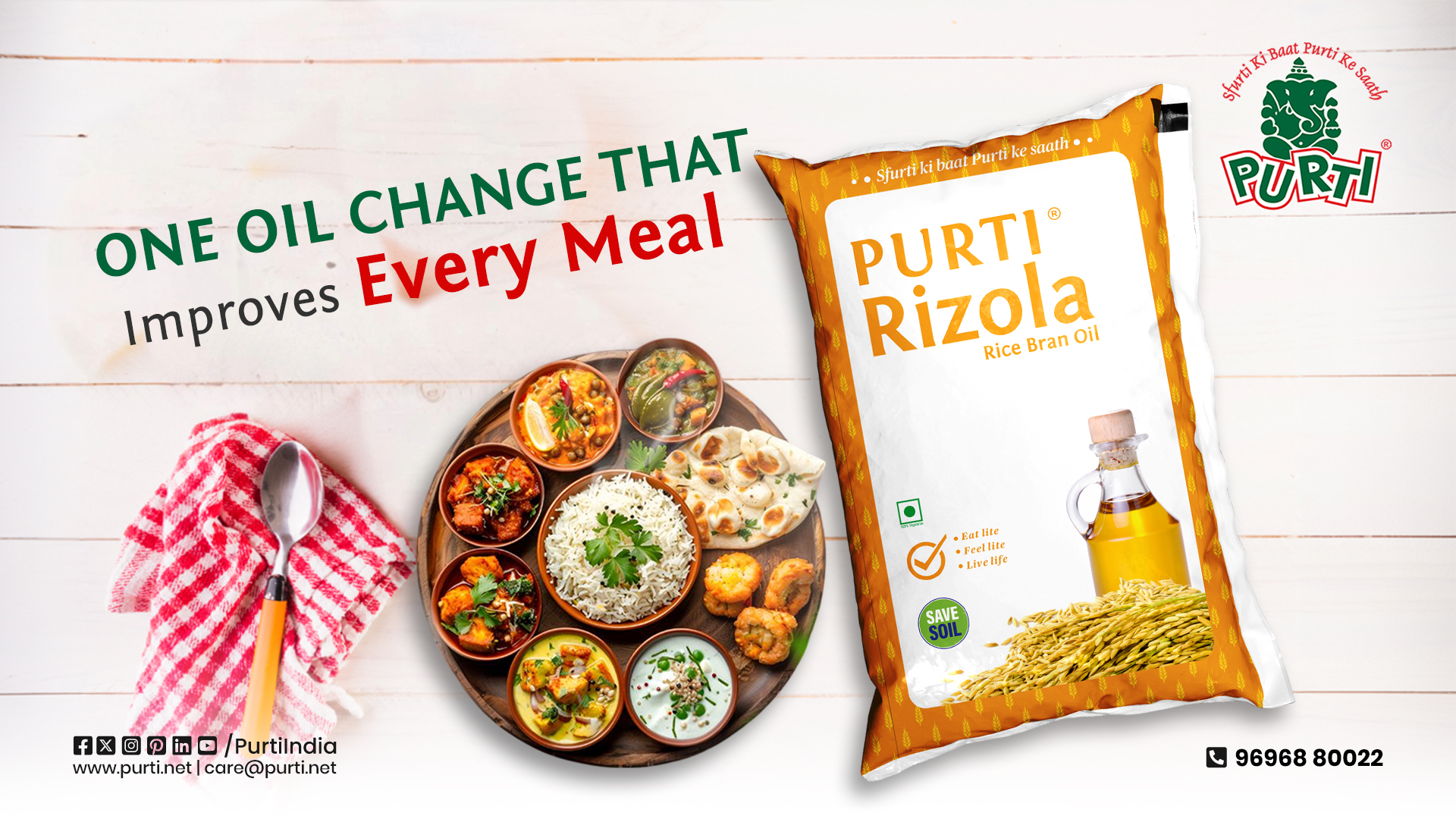
Every Indian kitchen has its own rhythm. The morning tempering, the afternoon sabzi, the evening snack frying gently on the stove. We change vegetables, spices, and even cookware – but rarely do we pause to think about the one ingredient that quietly touches every dish: the cooking oil.
An oil change doesn’t mean replacing everything you know. It means choosing better balance, consistency, and reliability – so that everyday meals taste familiar, yet feel a little more refined. Across Eastern India, many households, kitchens, and food businesses have learned this the practical way: when the oil changes, the meal changes too.
This is not about trends or claims. It’s about how one thoughtful choice can improve cooking outcomes across recipes – without changing who you are in the kitchen.
Oil is not just a medium for cooking. It carries aroma, affects texture, supports spice behaviour, and influences how ingredients come together.
When the oil performs consistently, cooking becomes easier – and meals turn out closer to what you intended.
That’s why families, restaurants, caterers, and HoReCa kitchens often talk about oil not in theory, but in daily experience.
A dependable edible oil works across cooking styles. From slow cooking to quick frying, it adapts quietly.
1. Everyday Vegetable Cooking
In dishes like aloo posto, mixed sabzi, or lau ghonto, the oil should not overpower the vegetable. A well-refined oil allows the natural flavour of produce and spices to stay forward, creating food that feels lighter on the palate without compromising taste.
2. Dal & Tempering
The crackle of cumin, mustard, or dried red chilli sets the tone for the dish. An oil that heats evenly helps spices release aroma without burning – something every home cook recognises instantly.
3. Shallow Frying & Snacks
From cutlets to fish fry, consistency matters. Oil that behaves predictably makes it easier to control colour, texture, and finish – especially when cooking in batches.
4. Regional Specialities
Eastern Indian cuisine relies heavily on oil behaviour. Whether it’s mustard-based gravies or everyday jhols, the right oil ensures the dish tastes authentic rather than altered.
In Indian kitchens, trust is built over time. Brands that become part of daily cooking do so not through claims, but through familiarity and reliability.
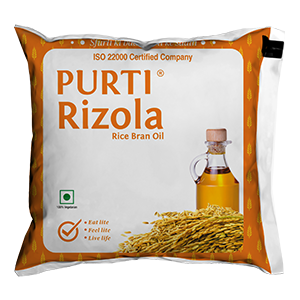
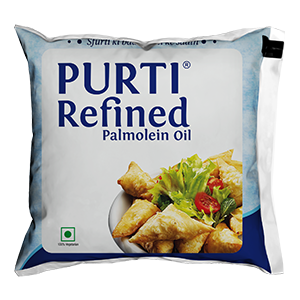
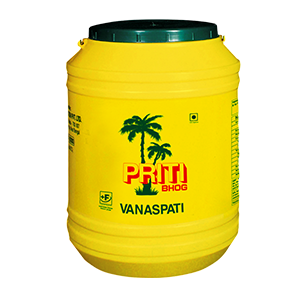
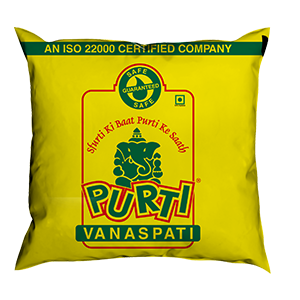
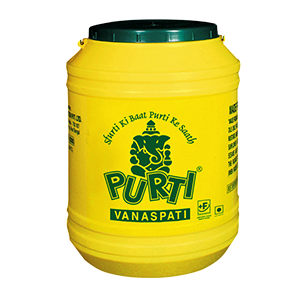
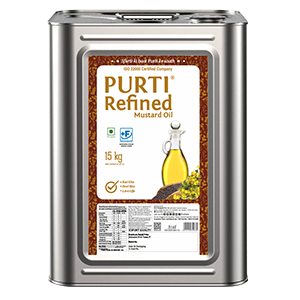
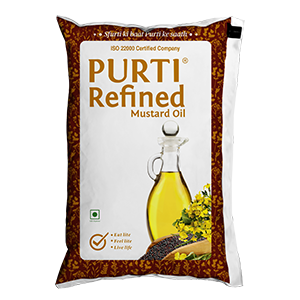
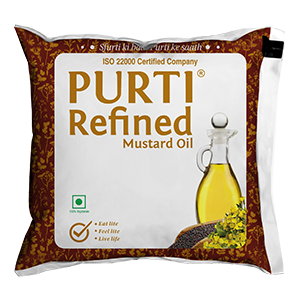
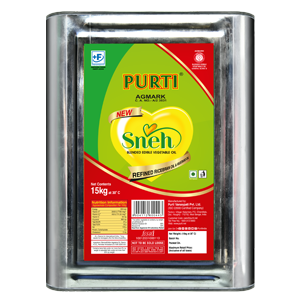
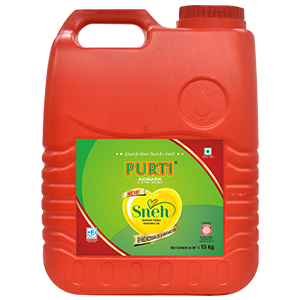
Purti Vanaspati, rooted in Eastern India, has long been present in households, retail counters, and commercial kitchens. Its role has been simple: offer edible oils that people can cook with confidently, across dishes and occasions.
From family meals to large-scale kitchens, the expectation is the same—oil that performs steadily and supports traditional cooking styles without forcing change.
An oil change becomes noticeable when you cook dishes you already know well.
The food doesn’t become unfamiliar—it becomes more controlled.
That’s why many cooks don’t talk about oil in words. They talk about results.
For distributors, caterers, and HoReCa professionals, oil is not a background ingredient—it’s a cost, a process input, and a quality marker.
Consistency matters because:
A single oil that works across preparations simplifies kitchen operations, reduces confusion, and supports standardisation—without compromising regional character.
Indian cooking has always been practical. Ingredients were chosen for availability, reliability, and adaptability. The idea was never excess—it was balance.
In many Eastern Indian kitchens, oil is selected not for novelty, but for how well it supports:
That philosophy still holds true today.
1. Don’t Change Everything at Once
Use the new oil in dishes you already cook often. That’s where you’ll notice the difference fastest.
2. Observe, Don’t Judge Quickly
Let the oil show its behaviour—how it heats, how spices react, how food finishes.
3. Keep Recipes Familiar
The goal is improvement, not reinvention.
4. Store Oil Properly
A cool, dry place helps maintain quality and consistency.
5. Match Oil to Technique
Use the same oil across sautéing, shallow frying, and everyday cooking to experience its full range.
One oil change doesn’t transform your kitchen overnight. What it does is subtler—and more meaningful. Cooking feels smoother. Food behaves better. Meals come together with fewer adjustments.
That’s how improvement usually works in Indian kitchens—not through disruption, but through quiet refinement.
And when an oil supports cooking across homes, restaurants, and regions, it earns its place not through words, but through repetition.


Our commitment to quality is supported by the state-of-art infrastructure, its relationship with the buyers and modern production facilities.
Our Company pursues a single goal - completely focussed on th quality of the product.
© copyright, Purti Vanaspati Pvt. Ltd. All Rights Reserved.