In an Indian kitchen, oil is never just an ingredient. It is the quiet base of a thousand flavours. It carries the warmth of panch phoron in Bengal, the aroma of jeera tadka in Bihar, and the golden crispness of bhajis across Odisha and Assam.
Yet, inside that shimmering layer in your kadhai, there is more than taste and texture. There is science – subtle, natural, and often overlooked.
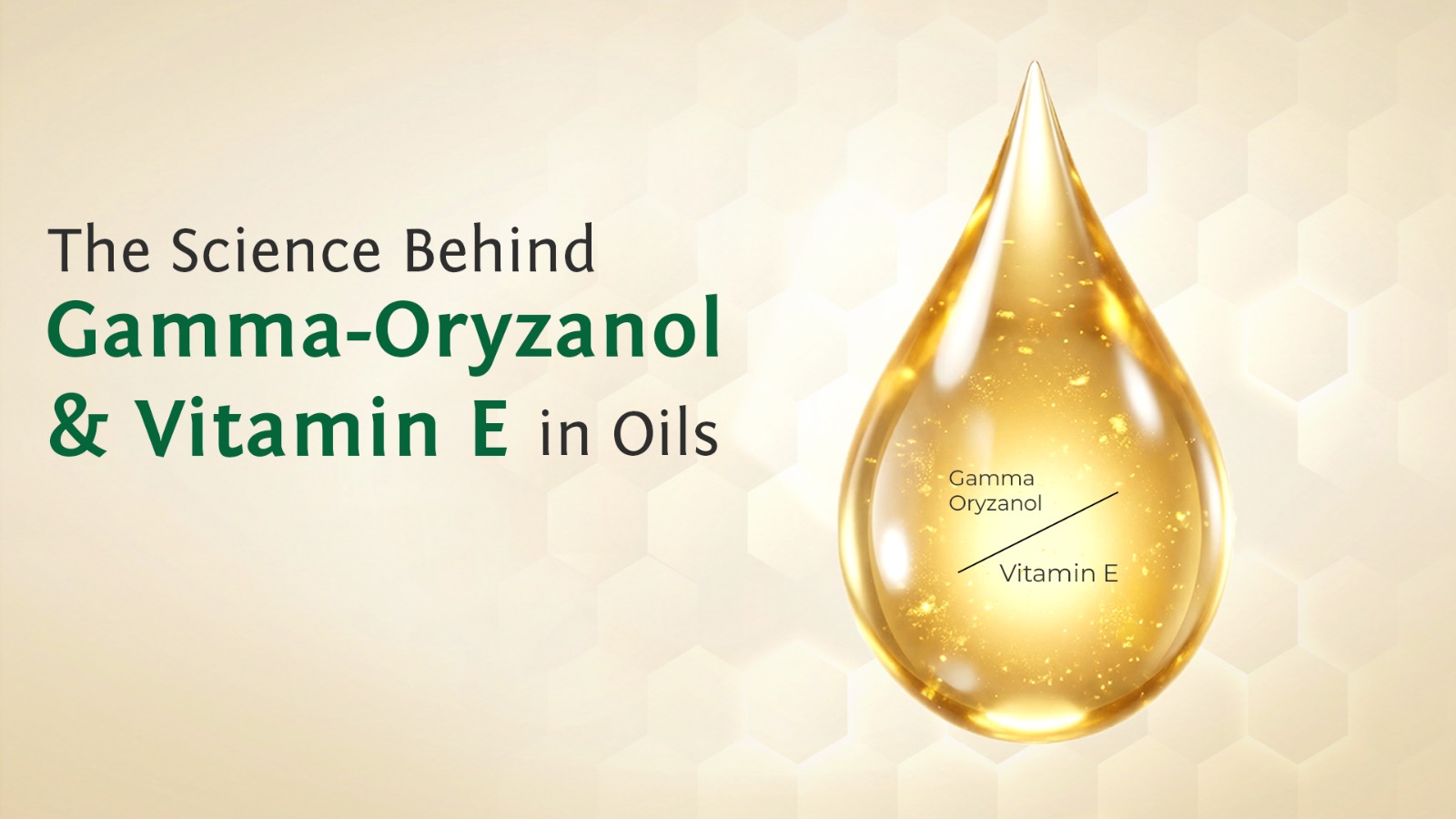
In Week 29 of 52 Weeks to a Healthier Kitchen, we explore two naturally occurring compounds found in certain plant oils: Gamma-Oryzanol and Vitamin E – what they are, where they come from, and why they matter in everyday cooking.
What Are Gamma-Oryzanol and Vitamin E?
When we think about cooking oils, we often focus on visible traits — colour, lightness, aroma, or smoke behaviour. But oils also contain naturally occurring compounds that contribute to their overall profile.
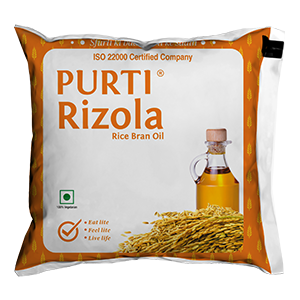
Certain plant-based oils, particularly rice bran oil, naturally contain Gamma-Oryzanol and forms of Vitamin E. These are plant-derived antioxidants that are present as part of the oil’s natural composition.
They are not artificial additives. They originate from the raw agricultural source itself – in this case, the outer layer of rice grains.
Understanding these elements helps us appreciate oil not just as a cooking medium, but as a carefully processed agricultural product.
What Is Gamma-Oryzanol?
Gamma-Oryzanol is a naturally occurring mixture of antioxidant compounds found in rice bran oil. It is derived from the nutrient-rich bran layer of rice – the same rice that forms the foundation of meals across Eastern India.
In scientific terms, antioxidants are compounds that help protect substances from oxidative damage. In oils, this contributes to maintaining stability within defined storage and usage conditions.
Gamma-Oryzanol has been widely studied in food science for its presence in rice bran oil. However, as per regulatory norms, any specific health benefit claims must be carefully framed and supported by approved standards.
What we can say confidently is this:
Gamma-Oryzanol is naturally present in rice bran oil and forms part of its characteristic nutritional profile.
What About Vitamin E?
Vitamin E is another naturally occurring antioxidant found in many plant oils, including sunflower oil and rice bran oil.
In edible oils, Vitamin E contributes to oxidative stability – meaning it plays a role in maintaining the oil’s quality under recommended storage conditions.
It is important to clarify: Vitamin E in oils is naturally occurring, not something “added” later for marketing value.
The level retained depends on processing methods and handling practices. Responsible refining techniques aim to preserve the natural composition of the oil while ensuring safety and compliance with food standards.
How Refining Influences Natural Compounds
There is often confusion around the word “refined.” Many assume refining removes everything beneficial. In reality, refining is a structured process designed to remove impurities, unwanted odours, and unstable elements – while retaining essential characteristics within regulatory limits.
When done under controlled conditions, refining helps maintain:
Some natural components, including portions of Vitamin E and Gamma-Oryzanol (in rice bran oil), may be retained depending on the method used.
For consumers exploring premium edible oil brands in India, understanding this balance between purification and preservation is important.
Rice, Region & Relevance
In West Bengal and across Eastern India, rice is not just food – it is identity. From steamed rice with posto to festive pulao and simple dal-bhaat combinations, rice anchors everyday meals.
Rice bran oil, derived from the bran layer of rice grains, reflects that same agricultural connection. It transforms what was once considered a by-product into a valuable cooking medium.
In a region where food varieties of India are celebrated through diversity – from Assamese thalis to Odia temple cuisine – the choice of oil becomes part of the larger culinary ecosystem.
Understanding what naturally occurs within that oil deepens appreciation for the ingredient itself.
A Note on Responsible Communication
It is easy in today’s digital world to exaggerate the role of nutrients in food products. However, regulatory frameworks such as the Food Safety and Standards Authority of India (FSSAI) clearly define what can and cannot be claimed.
While Gamma-Oryzanol and Vitamin E are naturally occurring antioxidants in certain oils, they should not be positioned as medical solutions or disease-prevention agents.
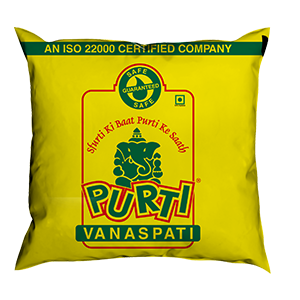
At Purti Vanaspati, communication focuses on transparency – explaining what is present, how it is processed, and how it aligns with regulatory norms – rather than making exaggerated promises.
Because trust in the kitchen begins with clarity, not claims.
Traditional Fats Still Have Their Place
Indian kitchens are beautifully layered. Ghee enhances festive sweets. Butter enriches parathas. Coconut oil defines many coastal preparations. Mustard oil remains central to Bengali cooking.
Each fat has its culinary identity.
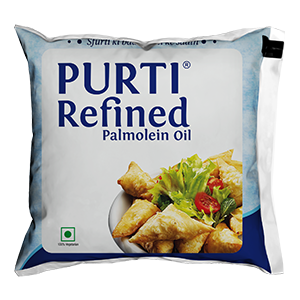
Refined oils, including rice bran and sunflower variants, serve as versatile everyday cooking mediums. The key is not replacement – but balance.
A well-rounded kitchen understands occasion, quantity, and cooking method.
Why This Conversation Matters
As consumers grow more aware, questions move beyond price and packaging. People want to understand:
– What naturally exists in their cooking oil
– How processing affects composition
– What regulatory standards govern claims
– How labels reflect actual product characteristics
When we explore the science behind everyday ingredients, we move from habit-based buying to informed decision-making.
And informed kitchens cook with greater confidence.
Tip of the Week
Good oil is not just about what you see in the pan – it’s also about understanding what naturally exists within it.
Video Link: https://youtu.be/216qfzGGIM8
Coming Up Next Week
In Week 30 of 52 Weeks to a Healthier Kitchen, we explore a practical household question:
How Often Should You Change Your Cooking Oil?
Because everyday cooking deserves everyday clarity.
Disclaimer
This blog is intended for general awareness purposes only and does not constitute medical or dietary advice. Any nutrient references are based on naturally occurring components within plant oils and align with applicable Food Safety and Standards regulations. Cooking oil should be consumed in balanced quantities as part of a varied diet and lifestyle.
Our commitment to quality is supported by the state-of-art infrastructure, its relationship with the buyers and modern production facilities.
Our Company pursues a single goal - completely focussed on th quality of the product.
© copyright, Purti Vanaspati Pvt. Ltd. All Rights Reserved.