In every Indian kitchen, there is a quiet trust that lives between the cook and the ingredients. We trust the rice we wash, the vegetables we chop, and the spices we temper. But there is one ingredient that quietly touches almost every meal and yet is rarely questioned — cooking oil.
From early-morning luchis and weekday sabzis to weekend pulao and evening snacks, oil plays a supporting role that often goes unnoticed. And yet, when you are cooking for your family every single day, knowing what goes into your oil becomes just as important as knowing what goes into your food.
This is where lab testing steps in – not as a technical formality, but as a foundation of trust.
Why Lab Testing Matters in Everyday Cooking
Cooking is an act of care. When meals are prepared daily, consistency, cleanliness, and reliability matter more than tall claims. Lab testing helps ensure that the oil used in everyday cooking behaves the way it should – stable under heat, neutral in flavour, and suitable for regular use.
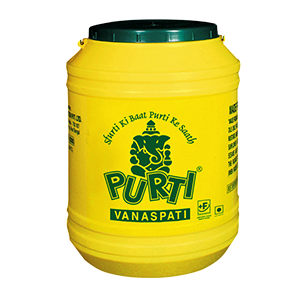
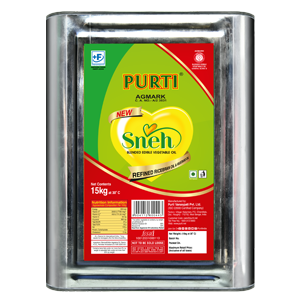
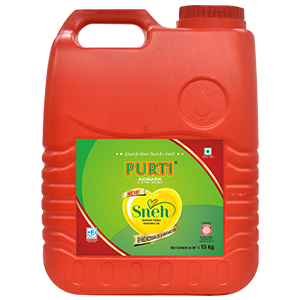
At Purti Vanaspati, every batch of oil undergoes testing not to create advertising promises, but to maintain discipline in quality. These tests help confirm that the oil meets established food safety and quality parameters before it reaches kitchens across India, especially in regions like Eastern India, where food traditions are deeply rooted in everyday meals.
Lab reports turn processes into proof. They replace assumptions with clarity.
What Exactly Is Tested – And Why
When an oil sample reaches the laboratory, it is examined across multiple parameters that together determine its quality, stability, and suitability for cooking. Each test answers a specific question that matters in a real kitchen.
Acid Value helps understand the overall condition of the oil. It indicates whether the oil remains within acceptable quality limits over time.
Peroxide Value checks for early signs of oxidation. This ensures that the oil has not begun to deteriorate and remains fit for everyday use.
The balance of Saturated Fat, MUFA, and PUFA is also evaluated. This assessment helps maintain consistency in oil composition across batches, ensuring that the oil performs predictably during cooking.
Trans Fat Content is checked to confirm that it stays within the limits prescribed by the Food Safety and Standards Authority of India (FSSAI).
Finally, Moisture and Impurities are examined to ensure clarity and purity, which also support shelf stability.
Beyond numbers and values, the oil is also assessed for colour, aroma, and taste. After all, food is not just nourishment – it is an experience shaped by how ingredients look, smell, and feel while cooking.
Transparency Is a Process, Not a Statement
In an age of bold labels and quick claims, transparency is often talked about, but rarely explained. True transparency lies in processes that can be verified, repeated, and reviewed.
At Purti Vanaspati, lab testing is not an occasional exercise. It is a routine part of production. Every batch is checked, documented, and evaluated before it is approved for distribution. This disciplined approach ensures that quality is not dependent on chance, but on consistent practice.
There are no hidden ingredients, no shortcuts, and no selective disclosures. What the lab confirms is what moves forward.
Because trust is not built through advertisements – it is built through verification.
A Daily-Use Companion, Not a Replacement
Indian kitchens have always valued traditional fats like ghee, butter, and coconut oil. These ingredients carry cultural significance and play an important role in festive cooking, special recipes, and regional flavours.
Lab-tested refined oils are not meant to replace these traditions. Instead, they serve as practical companions for daily cooking – meals that are prepared frequently, often quickly, and meant to feel light and balanced.
This thoughtful coexistence allows households to honour tradition while adapting to modern cooking routines.
Eastern India, Everyday Food, and Quiet Choices
In Eastern India, food is deeply connected to rhythm – rice cooked just right, vegetables prepared with restraint, and oils used carefully so that flavours remain clear. Whether it is a simple dal-bhaat, a seasonal torkari, or a comforting khichdi, the oil used should support the dish without taking over.
A lab-tested, neutral cooking oil fits naturally into this style of cooking. It respects ingredients, adapts to regional recipes, and supports consistency in everyday meals.
These are small choices, but repeated daily, they shape the overall cooking experience.
Trust What Goes Beyond the Label
The next time you reach for a bottle of cooking oil, pause for a moment. Beyond the brand name and the packaging lies a process – one that involves testing, documentation, and responsibility.
Lab reports may not sit on kitchen shelves, but their impact is felt in every meal cooked with confidence. They represent effort taken behind the scenes so that families can focus on what truly matters – cooking, sharing, and enjoying food together.
Tip of the Week
Trust your oil – look beyond the label and understand the process behind it.
Video Link: https://youtu.be/tpxnHZmkZQo
Coming Up Next Week
In Week 27 of *52 Weeks to a Healthier Kitchen, we explore how choosing the right oil can align with different cooking habits and everyday lifestyles – without losing the comfort of familiar food.
Disclaimer: This blog is intended for general awareness only and does not offer medical or dietary advice. Cooking oil should always be used in balanced quantities as part of a varied diet and healthy lifestyle. All information shared complies with applicable Food Safety and Standards regulations.


Our commitment to quality is supported by the state-of-art infrastructure, its relationship with the buyers and modern production facilities.
Our Company pursues a single goal - completely focussed on th quality of the product.
© copyright, Purti Vanaspati Pvt. Ltd. All Rights Reserved.