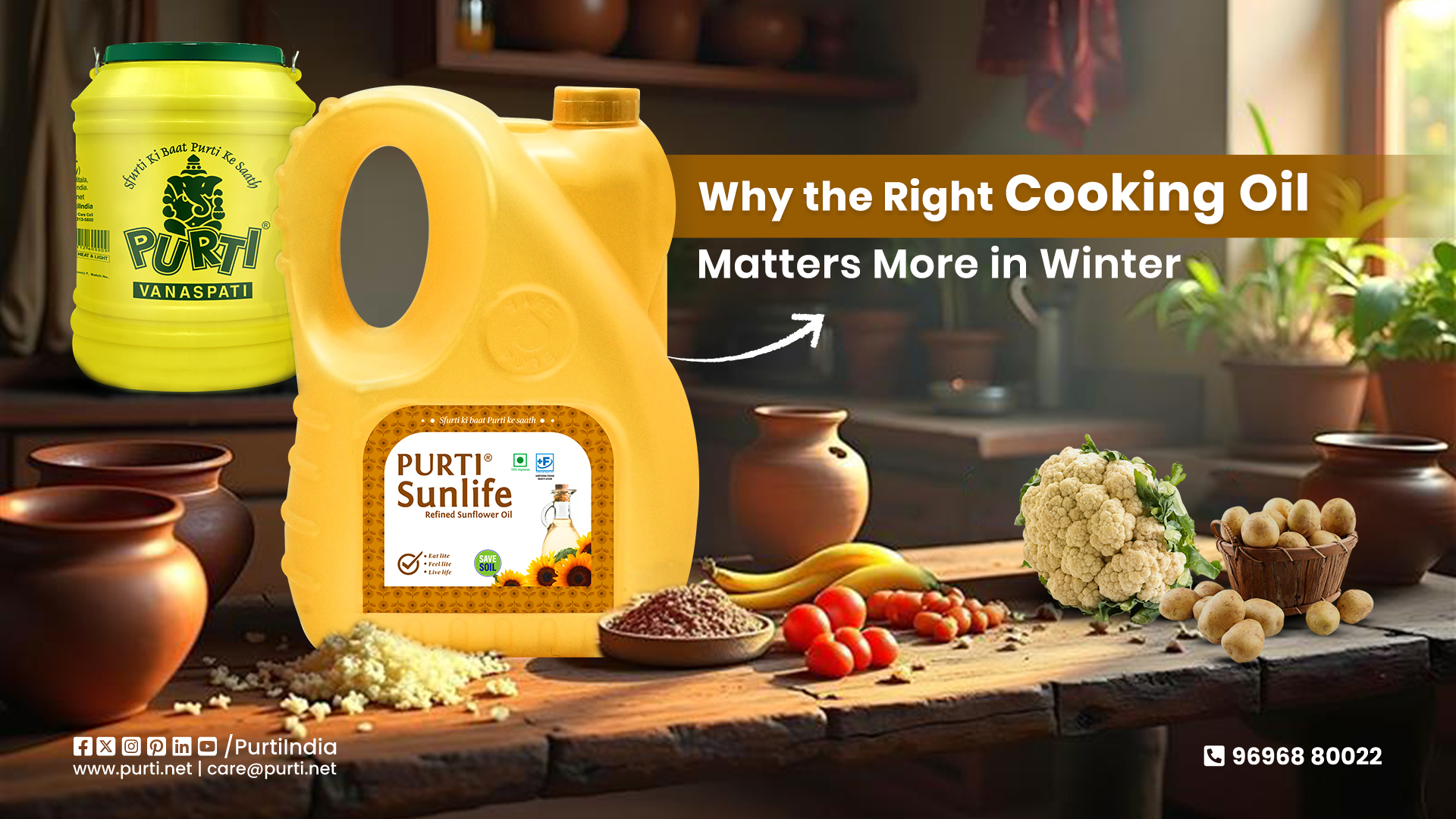
As winter arrives, our food choices naturally change. We crave warm meals, fried snacks, slow-cooked dishes, and comfort foods that keep us energised during colder days. While ingredients and spices often take centre stage, one crucial component is frequently overlooked: the cooking oil.
Choosing the right cooking oil in winter is not just about taste; it plays a significant role in digestion, cooking performance, and overall dietary balance. Different oils react differently to heat, and seasonal changes can influence how our bodies process fats. That’s why making a thoughtful oil choice during winter becomes more important than ever.
In this blog, we explore why selecting cooking oil matters in winter, how seasonal changes impact cooking habits, and offer simple tips to help you make smarter, safer choices for your winter kitchen.
Why Winter Changes the Way We Eat
Winter brings lower temperatures and reduced physical activity for many people. As a result:
Because oils are used more frequently and at higher temperatures during winter, their quality, stability, and composition become extremely important.
How Cooking Oil Impacts Winter Cooking
Winter cooking often involves high-heat methods such as frying pakoras, puris, parathas, and snacks. Oils that are stable at higher temperatures help maintain taste and quality during cooking.
Using unstable oils at high heat can affect flavour and food quality, making oil selection critical during this season.
In winter, digestion can slow down for some individuals. Heavy or poor-quality oils may feel difficult to digest when consumed frequently.
Choosing oils known for their lightness and suitability for daily cooking can help maintain balance without making meals feel overly heavy.
Because winter foods often require more oil than summer meals, even small differences in oil quality can have a bigger impact over time.
Types of Cooking Oils and Their Winter Use
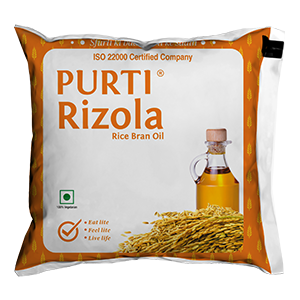
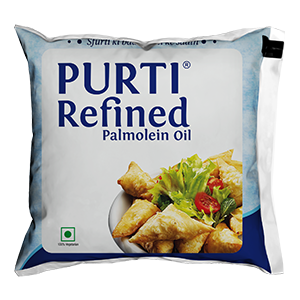
Different oils serve different purposes, especially in winter:
Rotating oils based on cooking style can be a practical winter strategy.
Tips to Choose the Right Cooking Oil in Winter
Always choose oils from trusted brands that follow food safety standards. Look for proper packaging, clear labelling, and freshness dates.
Reusing oil multiple times, especially in winter frying, can affect taste and quality. Fresh oil ensures better cooking results and food quality.
Cold temperatures can cause some oils to thicken or solidify slightly. This is natural. Store oils in a cool, dry place away from direct sunlight to maintain quality.
No single oil is perfect for all uses. A balanced approach—using different oils for different dishes -helps support varied cooking needs throughout winter.
Winter Cooking Habits That Make Oil Choice Important
Winter celebrations, festivals, and family gatherings often involve:
During such times, oil quality becomes central to maintaining taste, texture, and cooking consistency. The right oil enhances flavor without overpowering the dish.
Cooking Oil and Everyday Wellness
As per FSSAI guidelines, edible oils should be consumed as part of a balanced diet. Oils are a source of dietary fat and energy, and moderation is essential regardless of season.
Choosing suitable oils, using them correctly, and maintaining portion control are practical steps toward better everyday cooking habits – especially in winter when oil usage naturally increases.
Conclusion
Winter cooking is all about warmth, comfort, and flavor. But behind every delicious winter meal lies an important decision – the cooking oil you use. From high-heat frying to everyday tadka, the right oil supports better cooking performance, consistency, and balance during colder months.
By choosing quality oils, matching them to your cooking methods, and following safe usage practices, you can enjoy winter delicacies with confidence and care. This winter, let mindful oil selection be a simple yet impactful step toward better cooking.


Our commitment to quality is supported by the state-of-art infrastructure, its relationship with the buyers and modern production facilities.
Our Company pursues a single goal - completely focussed on th quality of the product.
© copyright, Purti Vanaspati Pvt. Ltd. All Rights Reserved.