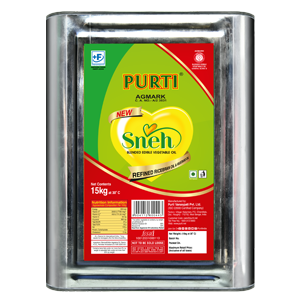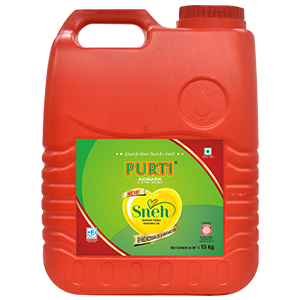
When choosing cooking oils, many focus on the “cholesterol-free” label. But there’s another number on the back that matters just as much – saturated fat.
This week, let’s learn why checking saturated fat levels is important for everyday cooking.
What Is Saturated Fat?
Saturated fat is a type of fat that tends to be solid at room temperature. It naturally occurs in:
– Ghee and butter
– Coconut and palm oil
– Full-cream milk and dairy products
These can be part of a balanced diet, but excessive saturated fat intake over time may contribute to higher LDL (bad) cholesterol levels.
What About Cooking Oils?
Even if an oil is “cholesterol-free,” it can still contain different levels of saturated fat.
Approximate values per 100ml:
– Sunflower oil: 1.3g
– Soybean oil: 2g
– Mustard oil: 1g
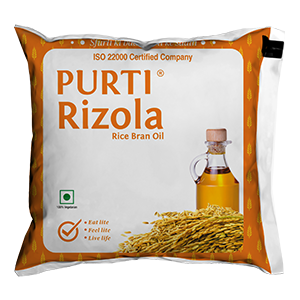
– Rice bran oil: 2.5g
– Coconut oil: 82g (moderation advised)
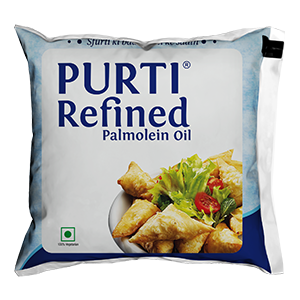
– Palm oil (Palmolein): 50g (moderation advised)
Oils lower in saturated fat are generally preferred for regular use.
Why It Matters
Cholesterol-free does not always mean ‘heart-friendly.’ Oils high in saturated fat may still influence blood cholesterol levels.
That’s why many nutrition experts and the FSSAI suggest:
– Prefer oils with lower saturated fat (under 2g per 100ml) for daily use
– Rotate different oils to balance nutrients
– Use oils higher in saturated fat in limited amounts
What Should You Choose?
Look for oils that are:
– Naturally cholesterol-free
– Lower in saturated fat
– A good source of MUFA and PUFA (healthy fats)
Examples include:
– Mustard oil
– Soybean oil
– Sunflower oil
– Rice bran oil
Quick Summary
– Cholesterol isn’t the only number to check
– Saturated fat impacts long-term heart health
– Reading the back label helps you make informed choices
Tip of the Week
“Don’t just stop at ‘cholesterol-free’ – turn the bottle and check saturated fat too.”
Coming Up Next Week: Can Cooking Oil Affect Heart Health? Here’s What Science Says.
Till then – cook smart, eat light.

Our commitment to quality is supported by the state-of-art infrastructure, its relationship with the buyers and modern production facilities.
Our Company pursues a single goal - completely focussed on th quality of the product.
© copyright, Purti Vanaspati Pvt. Ltd. All Rights Reserved.