Every morning, before the first school bell rings or the first catering order is served, countless kitchens across India come to life.
Large pots begin to simmer. Vegetables are chopped in rhythm. Snacks are prepared for hungry students. Meals are planned for weddings, corporate events, hostels, and community gatherings. While diners often notice the aroma, taste, and presentation of the food, there is one ingredient working quietly behind the scenes in almost every recipe – the cooking oil.
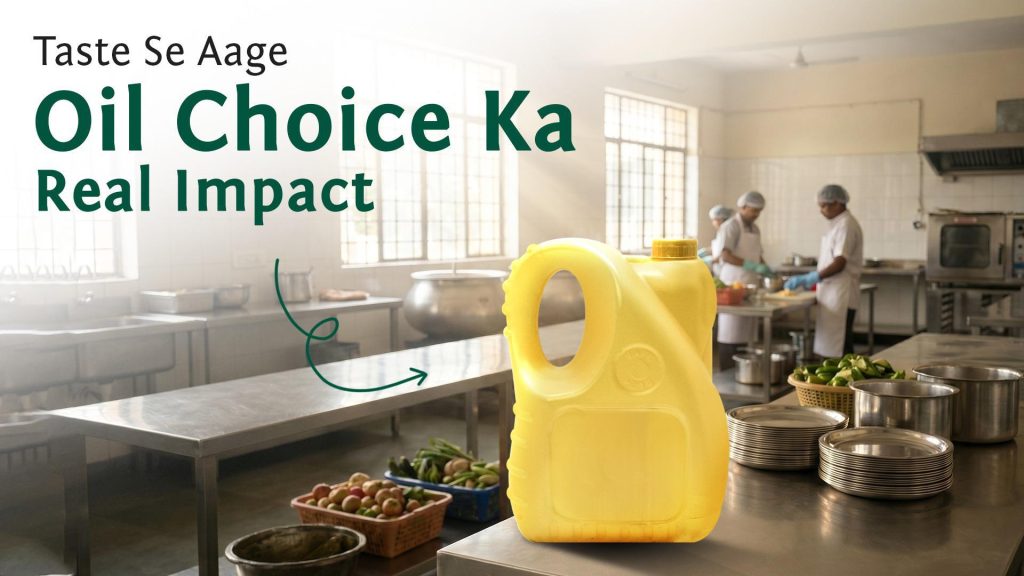
For schools and catering services, selecting a cooking oil is not simply a purchasing decision. It is part of a larger effort to maintain consistency, support smooth kitchen operations, and prepare meals efficiently for hundreds or even thousands of people every day.
In a school kitchen, food preparation is more than a daily task. It is a responsibility.
Whether it is breakfast in a hostel, snacks during recess, or lunch for students, kitchen teams aim to deliver meals that are prepared consistently day after day. Since menus often change throughout the week, the ingredients used must fit a variety of cooking styles and recipes.
This is why many institutional kitchens carefully evaluate the cooking oils they use. They look for products that align with their menu requirements, cooking methods, and operational needs.
Cooking for a family of four is very different from cooking for four hundred people.
Large kitchens operate under strict timelines and high-volume demands. Caterers may need to prepare multiple dishes simultaneously while maintaining consistency across every serving.
In such environments, ingredients that support dependable food preparation become valuable. From frying snacks to preparing curries and traditional dishes, cooking oils play an important role in helping kitchens manage diverse menus throughout the day.
Not every kitchen prepares the same type of food. A school cafeteria may focus on simple daily meals, while a wedding caterer may prepare an extensive menu featuring regional specialities.
Because cooking requirements vary, many food service operators prefer to have access to a range of cooking oil options.
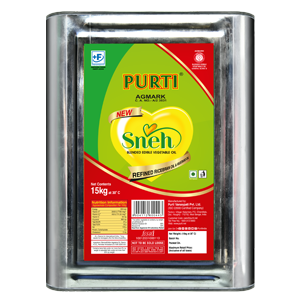
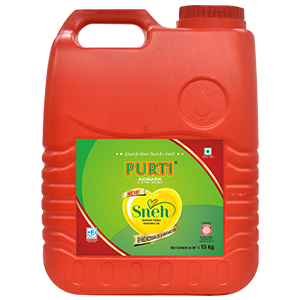
Purti offers a diverse portfolio designed to meet different culinary preferences and applications:
Purti Sunlife Refined Soyabean Oil is commonly used for everyday cooking applications.
Purti Soyalite Refined Soyabean Oil supports a variety of cooking styles and recipes.
Purti Sunrich Refined Sunflower Oil is often selected for preparations where a lighter flavour profile is preferred.
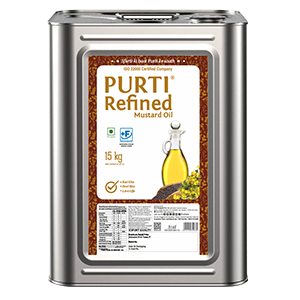
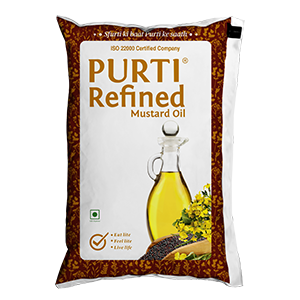
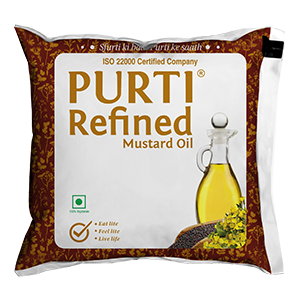
Purti Mustard Oil continues to be a familiar choice in many Indian kitchens, especially for traditional regional recipes.
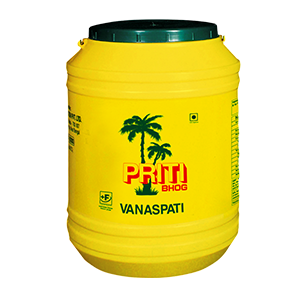
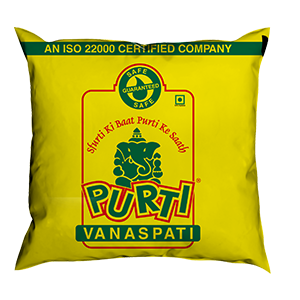
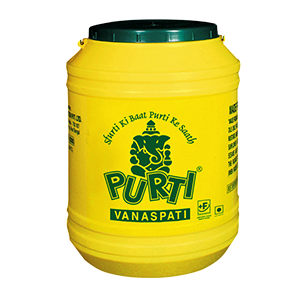
Purti Vanaspati is widely associated with selected bakery products, sweets, and traditional culinary preparations.
The choice ultimately depends on the specific dish, cooking method, and individual kitchen requirements.
Ask any experienced chef, caterer, or kitchen manager what matters most during large-scale food preparation, and one word frequently appears: consistency.
When preparing food for hundreds of people, maintaining uniformity becomes an important operational goal. Consistency helps kitchen teams follow recipes more effectively and manage production schedules with greater confidence.
For schools, caterers, hostels, cafeterias, and food service providers, dependable ingredient selection can contribute to smoother kitchen operations and a more predictable cooking experience.
Cooking oil is often viewed as just one component of a recipe. Yet in professional kitchens, it becomes part of a much larger process.
It supports frying, sautéing, roasting, and numerous cooking techniques that bring meals together. While diners may remember the flavour of a dish, kitchen professionals understand the importance of selecting ingredients that suit their cooking needs.
That is why institutions across India continue to evaluate their cooking oil choices carefully, balancing menu requirements, operational efficiency, and culinary preferences.
Behind every successful school lunch, hostel meal, cafeteria service, or catering event is a series of thoughtful decisions. Among those decisions is the selection of cooking oil.
While it may not always be visible on the plate, it remains an important part of the food preparation journey.
As kitchens continue to evolve and serve larger communities, choosing products that fit their culinary requirements remains a key part of delivering meals every day.
Because sometimes, the most important ingredient is the one working quietly in the background.
Tip of the Week:
Different recipes may require different cooking approaches. Always select ingredients based on the intended cooking application and follow balanced dietary practices.
Coming Up Next Week:
Oil Rotation: Understanding Different Cooking Oils in Everyday Meal Planning
Discover why many households use different oils for different recipes and what factors people commonly consider when making those choices.
Disclaimer:
This article is intended for general awareness and educational purposes only. It does not constitute medical, nutritional, or professional dietary advice. Individual dietary needs vary. Readers should consult qualified healthcare professionals or nutrition experts for personalised guidance. References to products are descriptive in nature and do not imply health, therapeutic, disease-prevention, or superiority claims. Use edible oils in moderation as part of a balanced diet and healthy lifestyle.


Our commitment to quality is supported by the state-of-art infrastructure, its relationship with the buyers and modern production facilities.
Our Company pursues a single goal - completely focussed on th quality of the product.
© copyright, Purti Vanaspati Pvt. Ltd. All Rights Reserved.