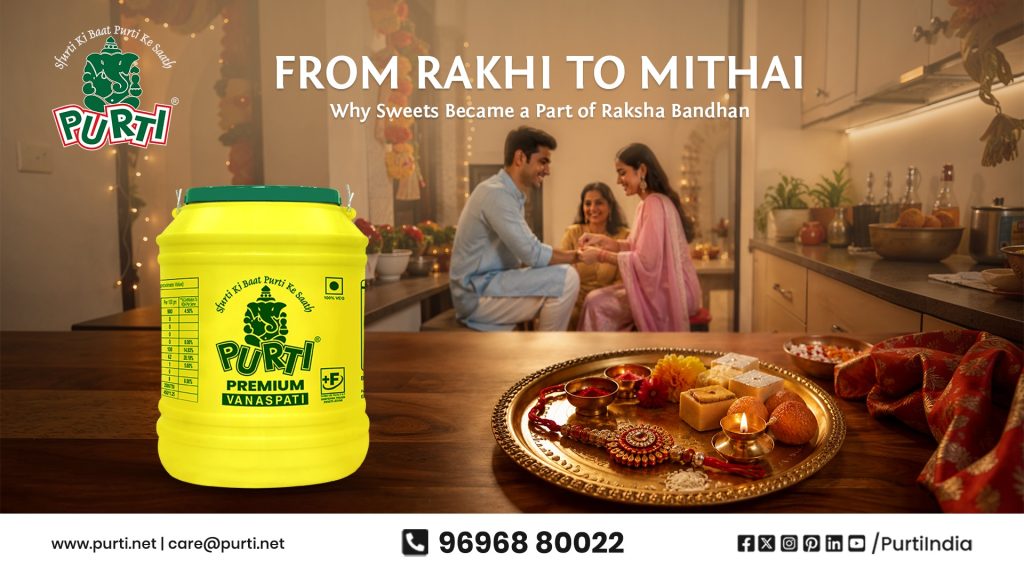
Some festivals are remembered as much for what happens around the ritual as for the ritual itself. Raksha Bandhan is one of them.
The tying of the Rakhi is at the heart of the celebration, but the moments that follow often include greetings, gifts, family conversations and something sweet to share. For many Indian households, mithai has become a familiar part of the Raksha Bandhan table.
But how did sweets become associated with Rakhi celebrations? Is there one traditional sweet that every family serves?
The answer is more diverse than a single recipe or custom. Regional food traditions, family preferences and changing lifestyles have all shaped the way Raksha Bandhan is celebrated today.
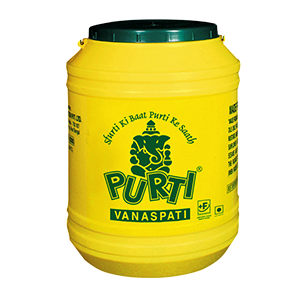
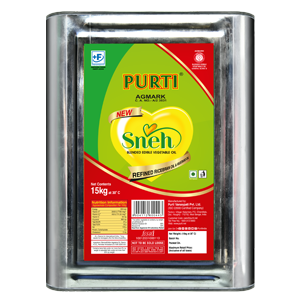
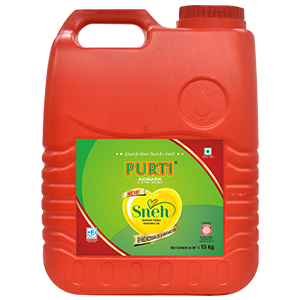
For households preparing a festive menu, the occasion can also mean planning a few familiar dishes while keeping cooking simple and organised. Purti Vanaspati Pvt. Ltd. offers a range of edible oils, cooking oils and Vanaspati for different cooking preparations.
A Raksha Bandhan celebration often brings together several familiar elements: a decorated thali, Rakhi, tilak, diya, gifts and something sweet to serve.
The central ritual involves tying the Rakhi and exchanging good wishes. Afterward, family members may exchange gifts, enjoy a meal or share sweets with one another.
Serving mithai during festivals is also part of the wider food culture of India. When families and guests come together, sweets are often included alongside other festive foods and refreshments.
This makes mithai a familiar part of many Raksha Bandhan gatherings.
There is no single explanation or fixed rule that determines which sweet should be served. Some families may buy a box of assorted mithai, while others may prepare a favourite recipe at home.
The choice can depend on regional customs, family traditions, availability and personal preference.
So, while the Rakhi remains the central symbol of the occasion, mithai forms part of the food tradition surrounding the celebration.
There is no universal Raksha Bandhan sweet menu across India. Different regions and households have their own preferences, and the festive table can look very different from one family to another.
Some commonly enjoyed options include:
Some families may also serve regional sweets that are closely connected with their local food culture.
The variety is part of what makes Indian festivals interesting. A Raksha Bandhan celebration in one household may feature laddoos, while another may include kheer, payasam or a family recipe that has been prepared for generations.
Rather than one particular mithai defining the festival, it is the practice of preparing, offering or sharing festive food that has become familiar during the occasion.
A festive menu does not need to become complicated. A little planning can make preparation easier, especially when sweets and other dishes are being prepared at home.
Decide what you intend to serve before buying ingredients. This can help you purchase only what is required and organise the cooking schedule.
For homemade sweets and other recipes, measure the ingredients in advance. Keeping everything ready before cooking can make the preparation more orderly.
Different preparations call for different cooking ingredients and methods. Use the edible oil or cooking medium specified or suitable for the recipe.
For recipes where sunflower oil is used, Purti Sunlife Refined Sunflower Oil is one product in the Purti range.
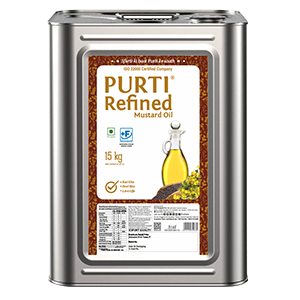
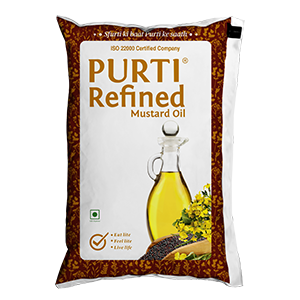
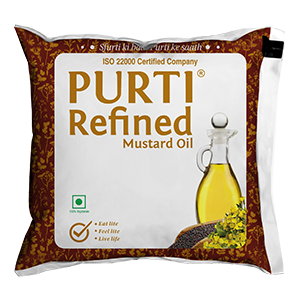
For preparations traditionally made with mustard oil, Purti Kachi Ghani Mustard Oil is another option within the range.
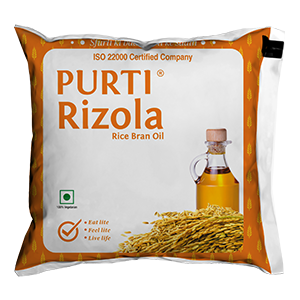
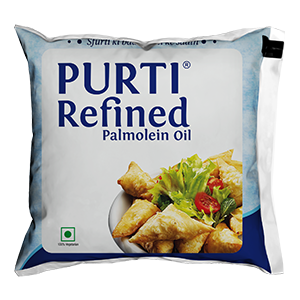
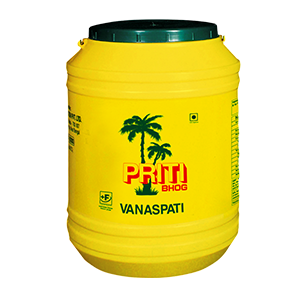
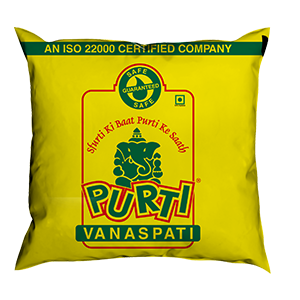
Purti Vanaspati Pvt. Ltd. also offers Purti Soyalite Refined Soyabean Oil, Purti Rizola Refined Rice Bran Oil, Purti Palmolein Refined Vegetable Oil and Vanaspati, along with other edible oil and cooking products.
Always follow the recipe instructions and the usage directions provided on the relevant product packaging.
Consider the number of people attending the gathering when preparing or purchasing sweets and other dishes. Planning quantities according to the occasion can help reduce unnecessary food waste.
Use clean utensils and maintain hygienic practices while preparing and serving food. Store prepared foods appropriately according to their ingredients and preparation method.
For packaged foods, check the packaging information and follow the storage instructions provided by the manufacturer.
Raksha Bandhan is centred on celebrating sibling relationships, while sweets have become a familiar part of the food traditions surrounding the festival.
There is no single mithai that defines Raksha Bandhan across India. Laddoos, barfi, kheer, halwa, payasam and many other preparations may find a place on the festive table depending on regional customs and family preferences.
Whether mithai is homemade or purchased, served on the Rakhi thali or enjoyed after the ceremony, it remains one of the foods commonly associated with festive gatherings.
This Raksha Bandhan, celebrate the occasion in your own way, enjoy the traditions your family values and share the foods that make the gathering feel special.
To explore Purti Vanaspati Pvt. Ltd.’s range of edible oils, cooking oils and Vanaspati, visit www.purti.net.
Our commitment to quality is supported by the state-of-art infrastructure, its relationship with the buyers and modern production facilities.
Our Company pursues a single goal - completely focussed on th quality of the product.
© copyright, Purti Vanaspati Pvt. Ltd. All Rights Reserved.