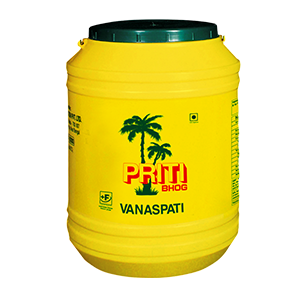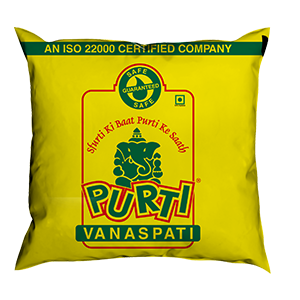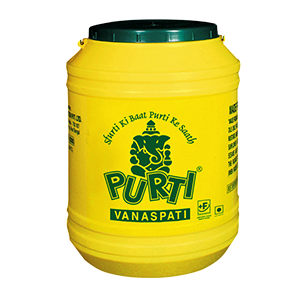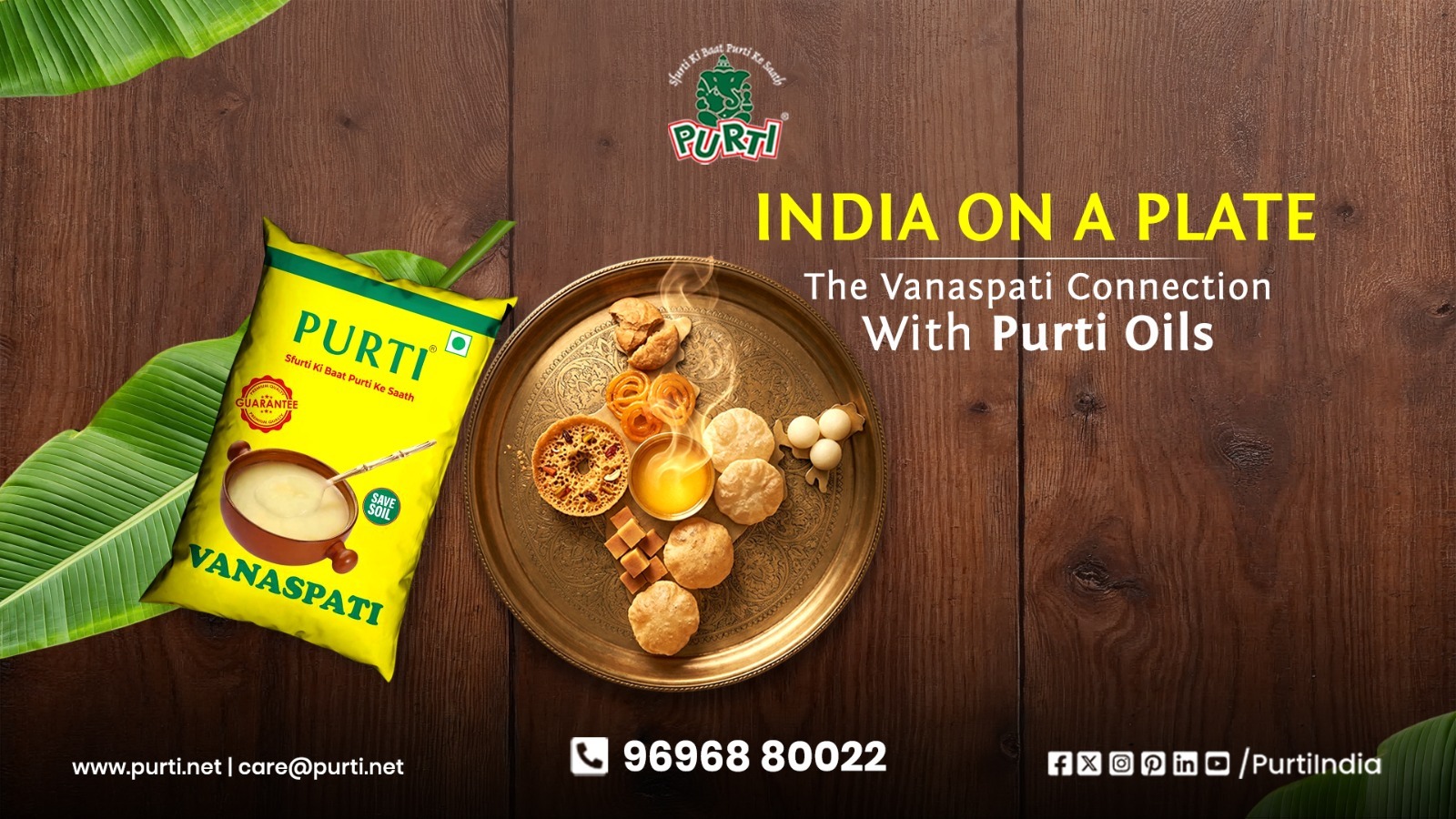
India’s food culture is a journey of flavours, traditions, and memories. Every region tells its own story through its cuisine, from the crispy luchis of Bengal to the rich ghewar of Rajasthan and the sizzling street snacks of Mumbai. Yet, hidden behind many of these beloved recipes is one common kitchen essential that has quietly travelled across generations and regions alike: vanaspati.
Over the decades, vanaspati cooking traditions in India have become deeply woven into festive cooking, sweet-making, bakery preparations, and large-scale traditional recipes. What makes it truly fascinating is how one ingredient adapts so beautifully to the diverse culinary identities of the country.
India is not just one cuisine; it is a collection of hundreds of regional food cultures. Ingredients change every few kilometres, cooking styles evolve with climate and geography, and every household carries its own treasured recipe traditions.
Yet, despite these differences, traditional Indian cooking with vanaspati has remained a familiar part of many kitchens. Its versatility and consistency have made it suitable for a wide range of preparations, from sweets and snacks to festive delicacies.
In North India, halwais have long used vanaspati to prepare flaky parathas, crispy kachoris, and iconic mithais for weddings and festivals. In the East, Bengali sweet shops rely on texture and richness to create favourites that define celebrations. In Western India, rich festive desserts and farsan recipes often require cooking media that perform consistently in large batches.
This seamless adaptation across states is what makes vanaspati an interesting part of India’s culinary landscape.
In Bengal, food is deeply emotional. A Sunday breakfast with hot luchi and aloor dom, trays of sweets during Durga Puja, or evening telebhaja during monsoons – every dish carries nostalgia.
Many traditional sweet and snack preparations depend on achieving the perfect texture, aroma, and consistency. Over time, vanaspati in Bengali cooking traditions became associated with large-scale festive cooking and sweet-making, especially in commercial kitchens and local sweet shops.
The focus has always been on creating food that brings families together; warm, familiar, and celebratory.
Travel westward to Rajasthan, and the cuisine becomes richer and more indulgent. Dishes were historically designed to last longer in desert climates while still feeling festive and satisfying. From crispy mathris to golden ghewar during Teej and Raksha Bandhan, regional Indian festive dishes made with vanaspati showcase how culinary practices evolve according to local needs and traditions.
The richness of these foods is not just about taste – it reflects hospitality, celebration, and cultural pride.
Mumbai’s vibrant food culture thrives on speed, flavour, and innovation. Here, food is energetic and always evolving. Street snacks like pav bhaji, bhaturas, and bakery-style savouries often depend on cooking methods that deliver consistency across high-volume preparations.
This adaptability is one reason why vanaspati in Indian street food culture continues to remain relevant in many commercial kitchens and traditional establishments.
From roadside stalls to old Irani bakeries, every food corner has its own unique story.
South Indian cuisine is often celebrated for its balance, simple everyday meals on one side and rich festive sweets on the other. Traditional sweets like Mysore Pak or bakery-style savouries require careful preparation to achieve their signature texture.
Across generations, Indian regional sweets and snacks traditions have evolved by blending local techniques with practical kitchen needs. This is where versatile cooking ingredients often become part of long-standing culinary routines.
The result is food that feels both comforting and celebratory at the same time.
Food in India is rarely just about eating. It is about family recipes written in old notebooks, festival mornings filled with aroma, and neighbourhood sweet shops preparing treats before sunrise.
What makes India’s regional vanaspati dishes special is not simply the ingredient itself, but the memories attached to it. The halwai preparing sweets for weddings, the grandmother making festive snacks at home, or the local bakery serving warm savouries every evening all contribute to a larger cultural story.
In many ways, vanaspati became a silent participant in India’s evolving food traditions.
Today’s generation may experiment with global cuisines and modern recipes, but the emotional pull of traditional Indian food remains unchanged. Whether it is festival sweets, bakery-style snacks, or nostalgic comfort food, regional recipes continue to inspire kitchens across the country.
As food trends evolve, India’s culinary identity still finds strength in its roots, in recipes passed down through generations and in ingredients that have adapted with time.
Because in a country as diverse as India, food is the one language everyone understands.
And somewhere between the sizzling kadhai of a street vendor and the festive thali of a family celebration, the story of vanaspati continues to travel – one region, one recipe, and one memory at a time.
Many festive sweets, bakery snacks, kachoris, ghewar, luchi, mathri, and halwai-style preparations across India have traditionally used vanaspati in commercial and festive cooking.
Its consistency and versatility have historically made it suitable for preparing large batches of sweets, snacks, and festive foods across different regional cuisines in India.
From bakery-style savouries to street food snacks, vanaspati has often been used in commercial cooking environments that require consistent texture and preparation across high-volume recipes.


Our commitment to quality is supported by the state-of-art infrastructure, its relationship with the buyers and modern production facilities.
Our Company pursues a single goal - completely focussed on th quality of the product.
© copyright, Purti Vanaspati Pvt. Ltd. All Rights Reserved.