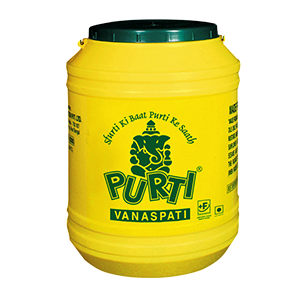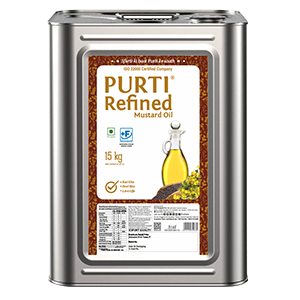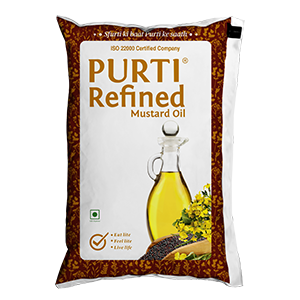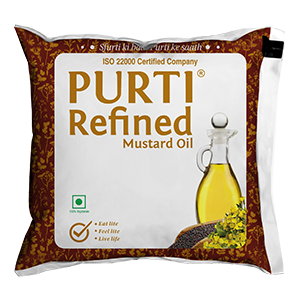
In an Indian home, the kitchen is rarely silent. Somewhere, a tempering crackles in hot oil. Somewhere else, dough is being rolled for fresh rotis while a summer curry simmers gently beside it. The aroma changes from house to house, from season to season, and from one state to another, yet every meal carries something familiar: warmth, memory, and tradition.
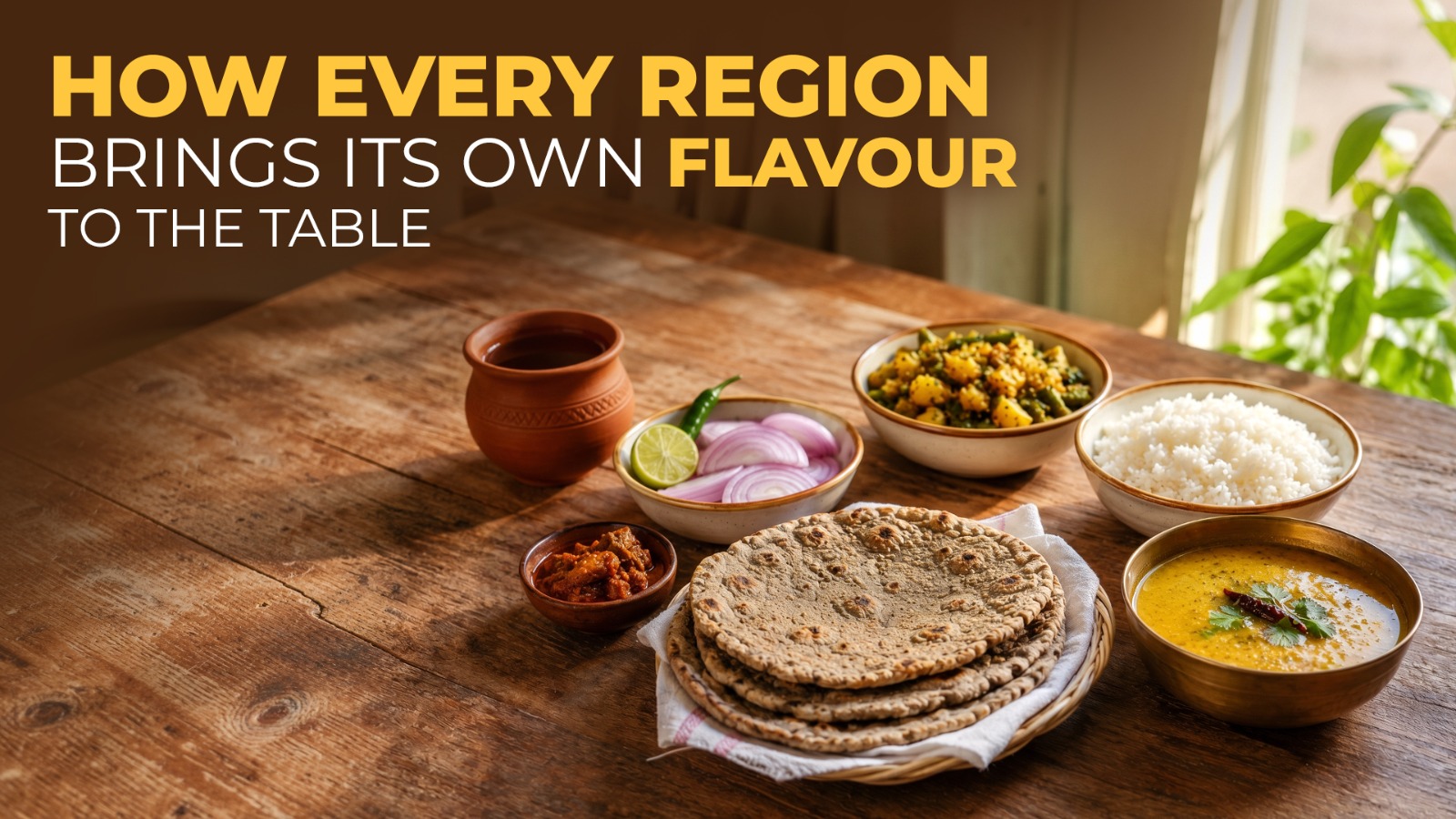
From the earthy dals of Central India to Rajasthan’s millet-based dishes and Bihar’s simple, balanced thalis, India’s food culture is built on stories passed through generations. And quietly, in the background of these stories, cooking oil plays its role, not as the hero, but as the medium that brings flavours together.
As the summer months of May and June settle across the country, many households naturally move towards lighter, simpler meals. Seasonal vegetables, soft rice preparations, lightly spiced curries, and home-style comfort foods begin to replace heavier festive cooking. It is during this shift that Indian kitchens reveal their true beauty: adaptability.
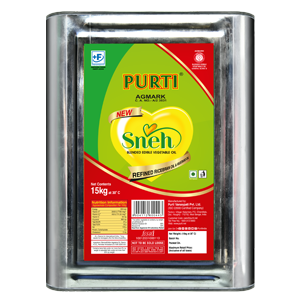
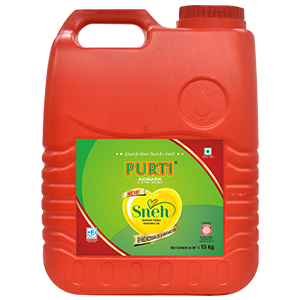
At Purti, this relationship between food, tradition, and everyday cooking has always been close to the heart of the brand. Because Indian cooking is not just about recipes; it is about the people gathered around them.
Walk through India’s kitchens, and you will notice how deeply food reflects geography and climate. In Bengal, mustard oil often becomes part of everyday cooking traditions – from fish curries to vegetable stir-fries. In parts of South India, coconut-based preparations and lightly sautéed dishes are common. Northern homes may lean towards slow-cooked gravies and festive fried snacks during celebrations, while several eastern and central regions prefer simple meals with rice, lentils, and seasonal vegetables during warmer months.
No two kitchens function exactly alike. What remains common, however, is the emotional connection families share with food. Recipes are rarely measured only in spoons and cups. They are remembered through stories:
“Your grandmother used to make this during summer afternoons.”
“This dish was always cooked during monsoon evenings.”
“This recipe comes from our village.”
Food becomes memory long before it becomes tradition.
Indian cooking changes with occasions. During festivals, kitchens may become vibrant with fried snacks, sweets, celebratory dishes, and family feasts. At other times, especially during warmer weather, many families naturally shift towards lighter meals and gentler cooking methods.
This seasonal flexibility influences the way cooking oil is used, too.
Sometimes it is needed only for a light tempering in dal. Sometimes it is used for sautéing vegetables slowly over low heat. And during celebrations, it may become part of festive recipes shared among relatives and neighbours.
The role of cooking oil changes according to the dish, the season, and the cooking style of each household. That is why Indian kitchens are never built around one single rule. They are built around balance, habit, and practicality.
Most cooking habits are formed quietly over time; a little less oil during tempering. avoiding overheating while frying.
Using fresh oil thoughtfully instead of repeated reheating. Choosing ingredients according to the family’s preferences and cooking style.
These are small choices, but together they shape the overall cooking experience. Many households today are also becoming more mindful about how they cook, not by abandoning tradition, but by adapting it to modern lifestyles. Simpler meals, portion awareness, seasonal ingredients, and balanced preparation methods are slowly becoming part of everyday routines.
And perhaps that is what makes Indian cooking timeless: it evolves without losing its roots.
Indian cuisine has never depended on a single ingredient. Ghee, butter, mustard oil, coconut oil, groundnut oil, and different regions and communities have traditionally used different cooking mediums depending on climate, availability, taste preferences, and local recipes.
A Bengali fish curry may feel incomplete without mustard oil.
A South Indian preparation may rely on coconut-based flavours.
A festive North Indian meal may call for richer cooking styles.
Each has its place.
The real essence of Indian cooking lies not in declaring one option “best” but in understanding how different ingredients fit into different lifestyles and recipes.
Many families today choose cooking oils according to their daily cooking needs, household habits, and preferred recipes. What matters most is thoughtful usage, balanced meals, and mindful cooking practices. Because balance is not a modern trend in India. It has always been part of the kitchen.
Every Indian meal carries something beyond flavour. It carries the comfort of familiar aromas after a long day. It carries family conversations around the dining table. It carries traditions that quietly survive across generations. And somewhere within these moments, cooking oil continues to play an important supporting role, helping ingredients come together, helping flavours bloom, and helping traditions stay alive.
At Purti Brand Story, the idea has always been simple: everyday cooking is not just about what is served on the plate but about the care, balance, and memories attached to it.
Because in India, food is never just food.
It is culture.
It is emotion.
It is home.
Tip of the Week
Small cooking habits can make a meaningful difference – avoid repeatedly reheating oil and try adjusting oil quantity according to your cooking method and portion size.
Video Link: https://youtu.be/dapCT3qfyuk
Coming Up Next Week
Next week, we explore an interesting question: Is it possible to choose cooking options that bring together both flavour and balance in everyday meals?
Disclaimer
This content is intended for general awareness and educational purposes only. It should not be considered medical or nutritional advice. Please consult a qualified doctor or nutritionist for personalised dietary guidance. All information has been written in accordance with the applicable FSSAI Advertising & Claims Regulations, 2018. Cooking oils should be used in moderation as part of a balanced diet and healthy lifestyle.


Our commitment to quality is supported by the state-of-art infrastructure, its relationship with the buyers and modern production facilities.
Our Company pursues a single goal - completely focussed on th quality of the product.
© copyright, Purti Vanaspati Pvt. Ltd. All Rights Reserved.