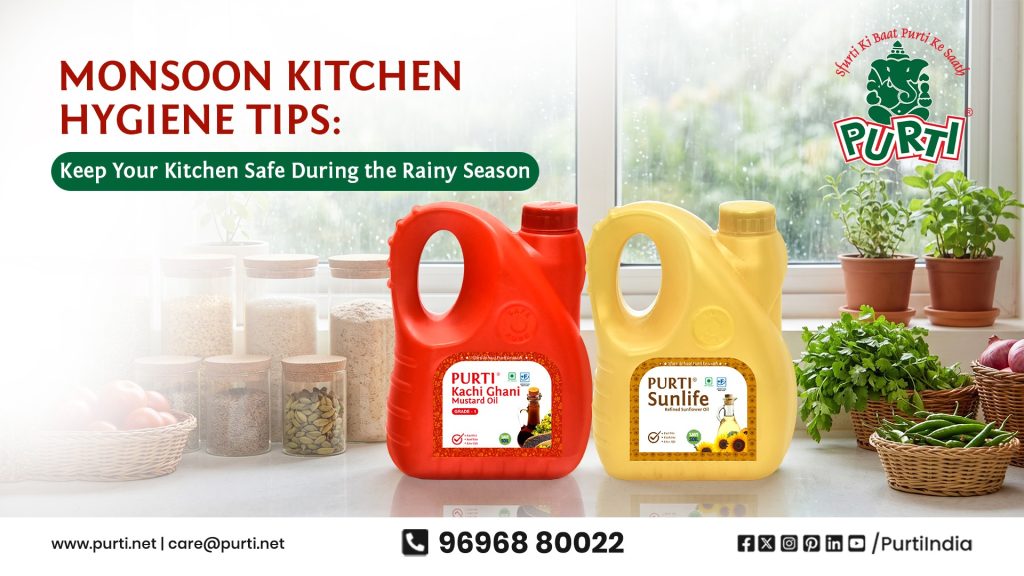
The monsoon season brings cool weather and plenty of opportunities to enjoy comforting homemade meals. From crispy snacks to warm bowls of khichdi, rainy days often inspire families to spend more time in the kitchen.
However, increased humidity can also create challenges such as damp storage spaces, unpleasant odors, mold, and faster spoilage of certain food items. Fortunately, a few simple hygiene habits can help you maintain a clean and organized kitchen throughout the season.
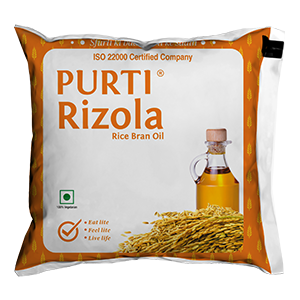
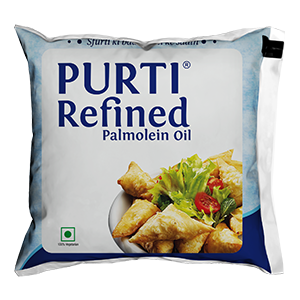
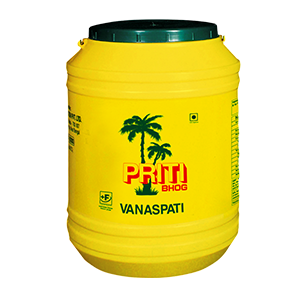
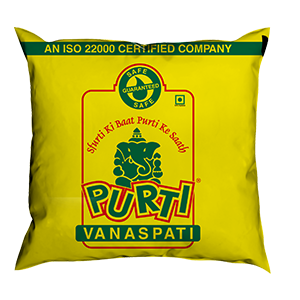
At Purti Vanaspati Pvt. Ltd., we believe that good cooking begins with responsible kitchen practices and carefully selected ingredients. Combined with proper hygiene, choosing cooking oils from trusted manufacturers can contribute to a better everyday cooking experience.
Why Does Kitchen Hygiene Become More Important During Monsoon?
Rainy weather naturally increases moisture levels inside many homes. Excess humidity may affect pantry ingredients, kitchen surfaces, storage cabinets, and utensils if they are not cleaned and maintained regularly.
Some common monsoon kitchen challenges include:
Keeping your kitchen clean and dry helps promote good food handling practices while maintaining the quality of stored ingredients.
How Can You Keep Your Kitchen Clean During the Rainy Season?
Moist countertops, sinks, and cutting boards can become difficult to maintain if left wet for long periods.
Simple daily habits include:
Keeping surfaces dry also helps reduce excess moisture inside the kitchen.
Humidity can affect many pantry staples if they are exposed to moisture.
Store the following items in airtight containers:
Check pantry items regularly and avoid mixing newly purchased ingredients with older stock.
Fresh produce should always be cleaned before use, especially during the rainy season.
Good practices include:
Proper storage helps maintain the quality of edible oils throughout their recommended shelf life.
Follow these simple practices:
Conclusion
Enjoying delicious homemade meals during the monsoon starts with a clean and well-maintained kitchen. By keeping surfaces dry, storing ingredients correctly, cleaning regularly, and following recommended storage practices for cooking oils, you can create a more hygienic cooking environment throughout the season.
To explore Purti Vanaspati Pvt. Ltd.’s range of quality edible oils for different cooking needs, visit www.purti.net and discover products crafted for Indian kitchen.
Our commitment to quality is supported by the state-of-art infrastructure, its relationship with the buyers and modern production facilities.
Our Company pursues a single goal - completely focussed on th quality of the product.
© copyright, Purti Vanaspati Pvt. Ltd. All Rights Reserved.